The Trump Mobile T1 phone's product previews and controlled demos highlight a broken first-look review system that sets consumers up for disappointment and erodes trust.
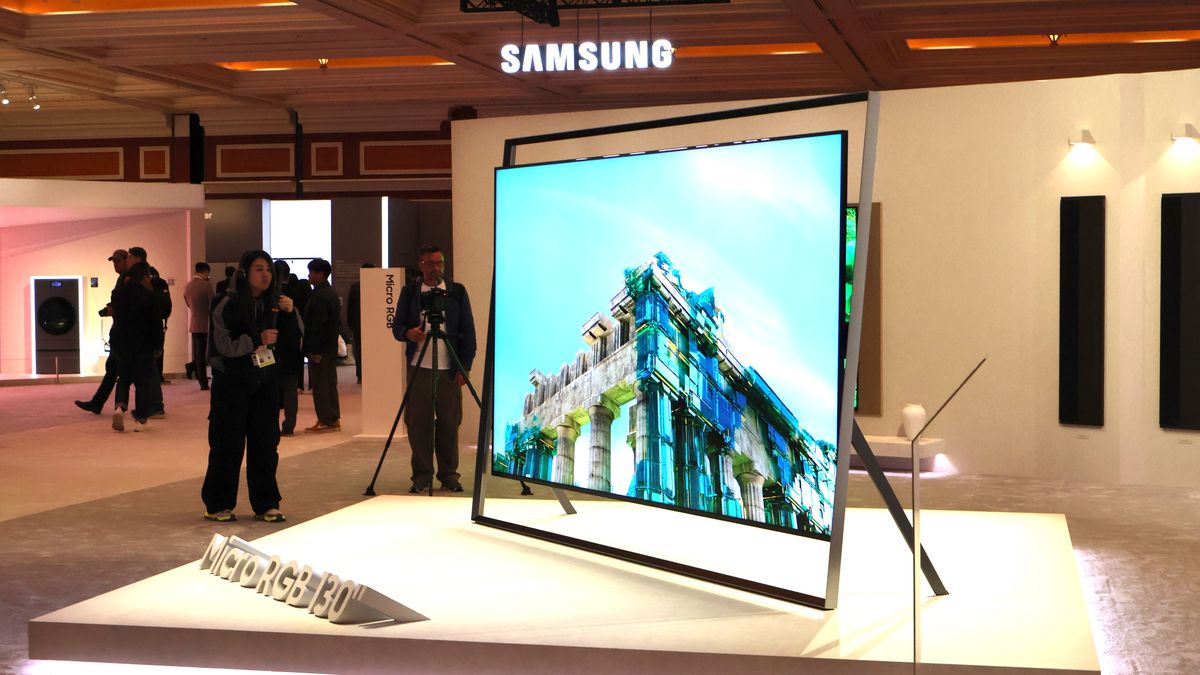
The months-long gap between Samsung's 2026 TV announcements, Microsoft's Project Helix release, and electric RV reveals turns early reviews into a content format where the reader is not the real customer.
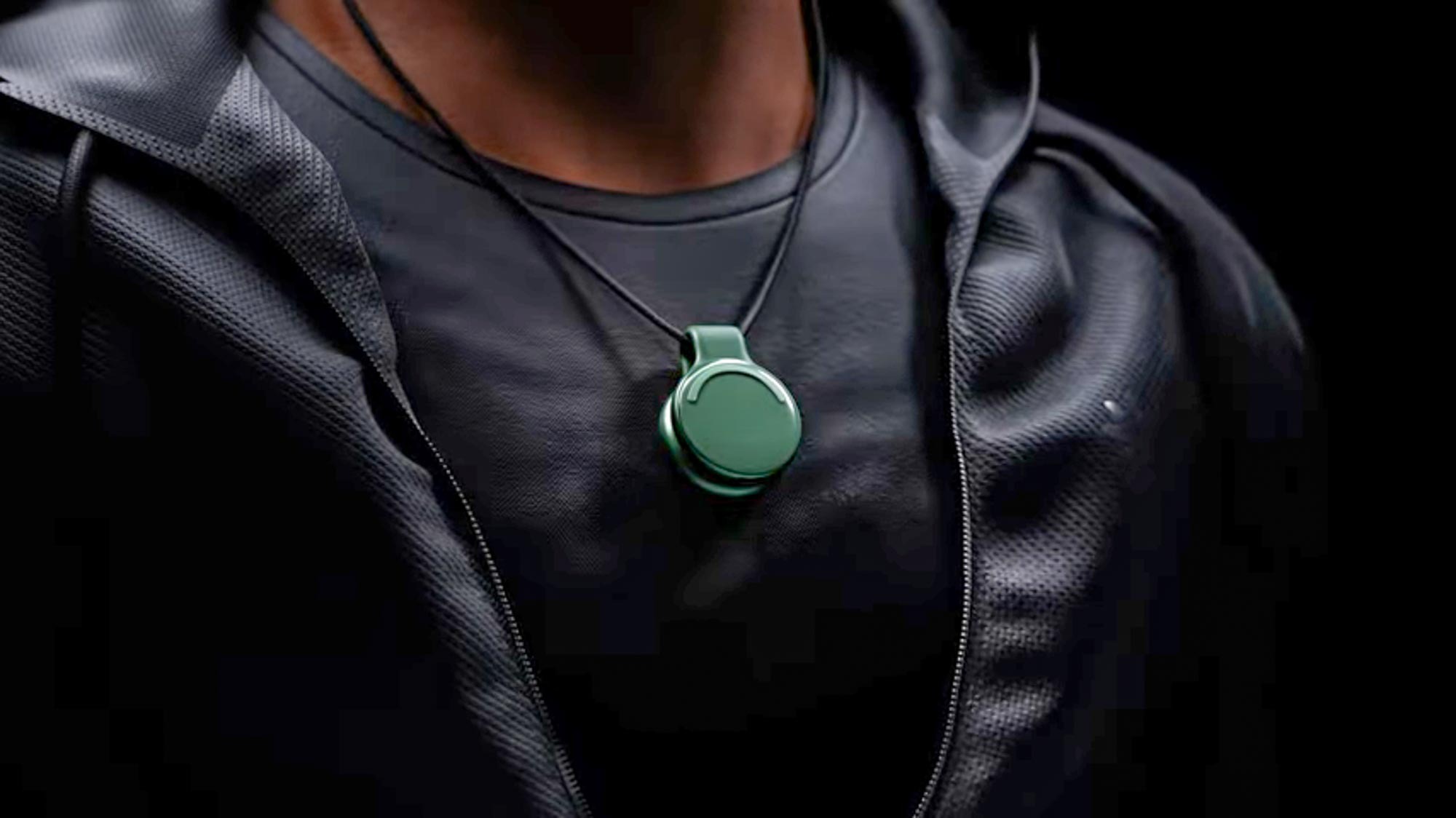
After selling millions of smart glasses, Meta's leaked AI pendant plans to hang a microphone around your neck, a category the Humane AI Pin already revealed answers a question nobody is asking.
Leaked internal documents reveal Meta is betting billions on an always-listening AI pendant and smart glasses, entering a hardware graveyard full of similar ambitions, with only one form factor earning the right to exist, though still far from replacing anything.
A decade after Apple killed the headphone jack, wired headphone sales are slowly returning as audiophiles and consumers notice what Bluetooth sacrificed, signaling a market shift no one predicted.
A flood of embargoed previews for products like Microsoft's Project Helix and Samsung's unannounced OLED is reshaping product criticism long before devices ship, and it is unclear whether anyone but the companies benefits.
Smartphones and tablets have become durable appliances replaced only when they break, leaving modular concepts, AI assistants, and new laptop hybrids as desperate attempts to reignite consumer interest.
Early previews of devices like Project Helix, Windows K2, and Samsung's S95H OLED are arriving months before retail, and the resulting feedback is reshaping product roadmaps in real time.
A decade after Apple buried the headphone jack, wired audio stages a comeback driven by dead batteries, landfill fatigue, and a generation discovering cables never drop a connection.
Technology outlets now publish detailed evaluations of Samsung OLED televisions and Xbox Project Helix hardware long before any retail availability, turning product coverage into manufacturer marketing rather than useful consumer guidance.
Apple's M5 Max, Lenovo's ThinkPad concept, and Dell's Precision push silicon velocity, but SPEC CPU 2026 benchmarks reveal that raw speed hasn't caught up with the compile loops and AI tax of real developer workflows.
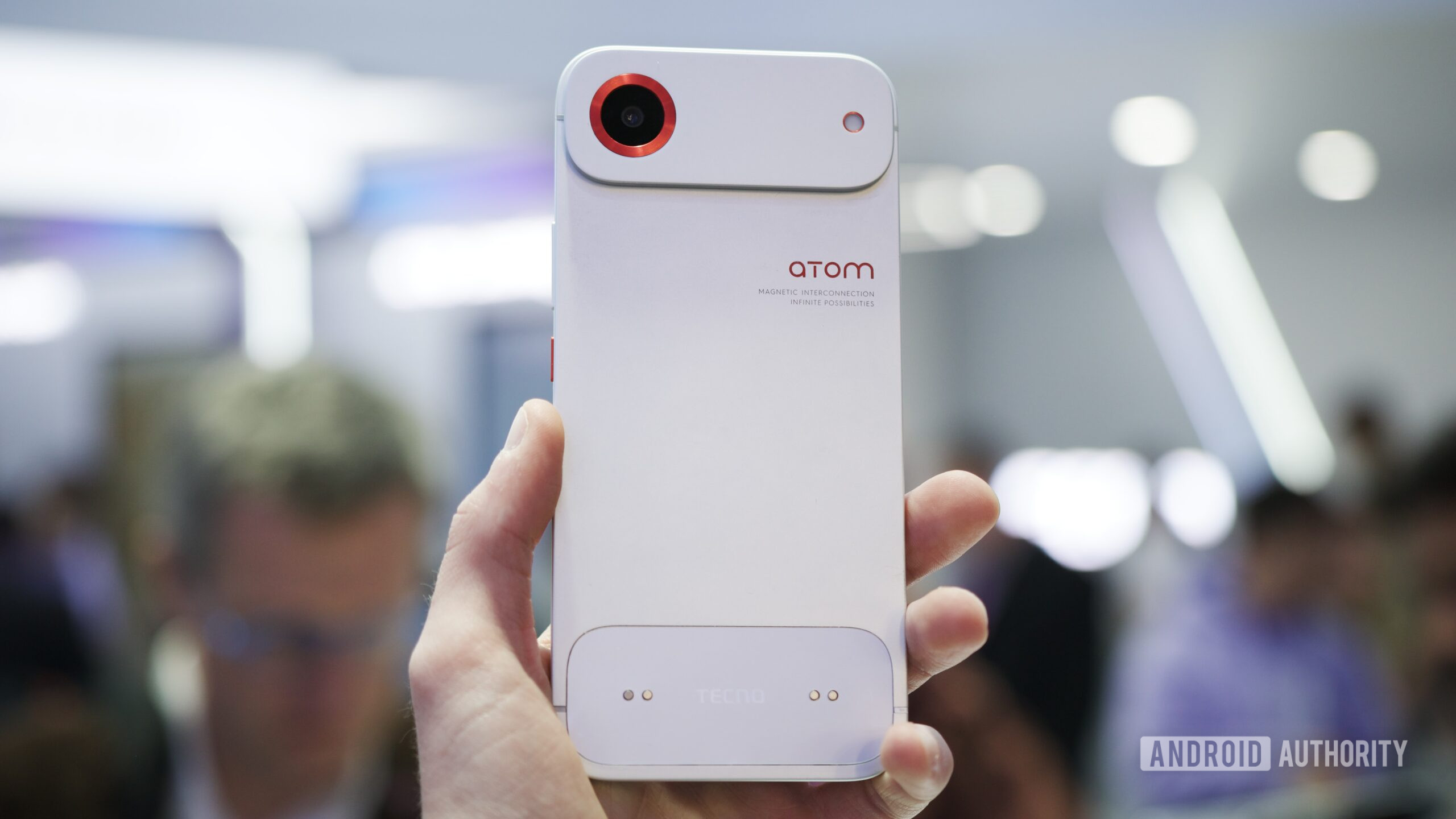
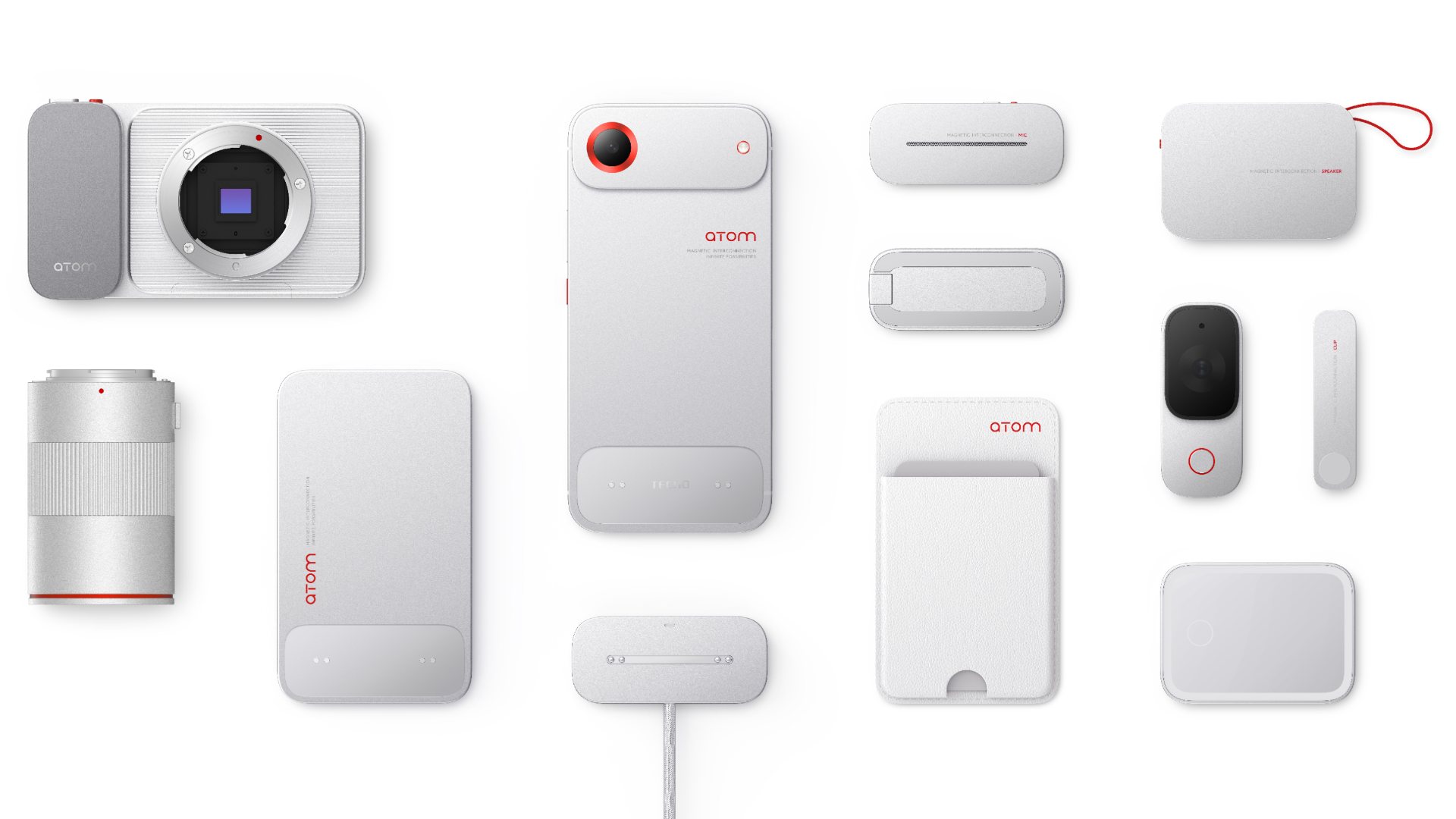
At MWC 2026 in Barcelona, the industry's response to smartphone upgrade fatigue included thinner slabs, crease-prone foldables, and a modular concept that likely will not ship, leaving Aleksy Nwankwo wondering who this is for.
After two years of overheating pins and unwearable glasses, the AI hardware market is consolidating into three distinct categories: smart glasses, pendants, and screenless audio wearables, each with a tradeoff that manufacturers now openly admit.
The flood of hands-on previews for pre-release products has consumed tech journalism, serving manufacturers' hype cycles while leaving readers misinformed.
Smartphone shipments fell 6% in Q1 2026 while tablet sales flatlined, with foldables and AI assistants failing to reverse the drift—the real problem is that devices solved their own problems too well, stretching upgrade cycles beyond four years.
Framework's Laptop 13 Pro, now shipping with Linux first, proves that repairability, modularity, and raw developer ergonomics aren't niche demands but the main event in a sea of sealed, glossy compromises sold to developers.
Revenue for wired audio gear jumped 20 percent in early 2026, defying the 'slow death' press-release fantasy, as I've spent the spring testing what's actually selling and why.
I wanted to like this laptop. I have used it as my daily driver for 21 days. Here is what works, the one thing that finally got fixed, and the part that still does not.
A month of asking the Rabbit R3 for things, with a list of what I tested, where, and for how long. The hardware is finally good. The "Large Action Model" is finally good enough.
By Aleksy Nwankwo·2 min
No articles in this desk yet.
Get the Daily Brief before your first meeting.
Five stories. Four minutes. Zero hot takes. Sent at 7:00 a.m. local time, every weekday.
 Reviews · Consumer Hardware
.jpg)