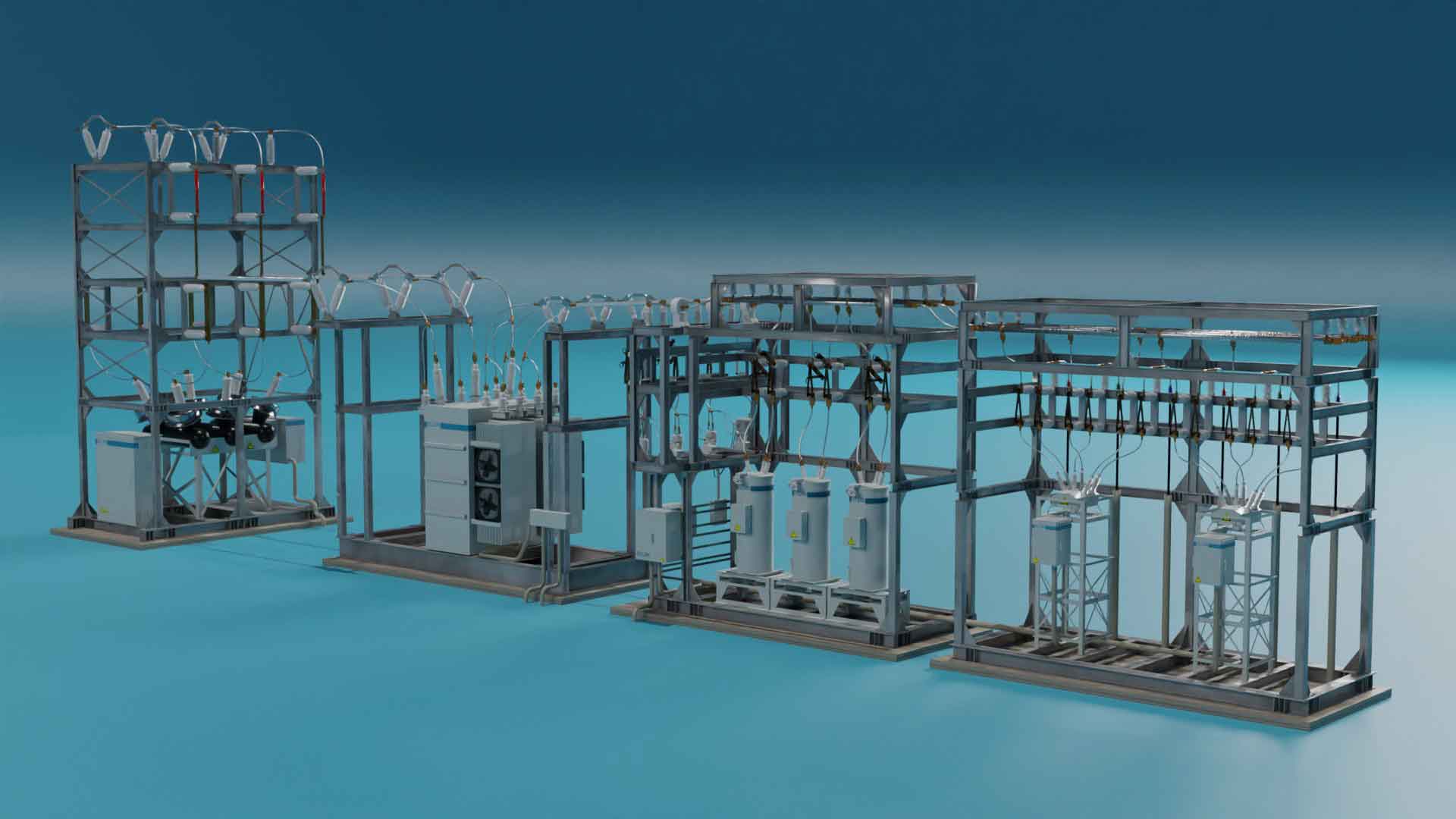
Transformer lead times hitting five years, local zoning moratoriums, and a NERC Level 3 Alert signal that the AI buildout's power problem is a substation bottleneck no chip can solve.
As Taiwan's chipmakers source 88% of their helium from Qatar, fab siting bets from Arizona to Hokkaido now weigh water, power, workforce, and the durability of industrial subsidies.
Once confined to HPC labs, direct-to-chip and immersion cooling are now standard for new AI data centers at scale, and the supply chain is consolidating rapidly following the CoolIT acquisition.
ASML, the Dutch lithography monopolist, raised its 2026 revenue target for the second time this year as surging AI and memory chip demand shifts the bottleneck from orders to the supply of critical EUV machine components like Zeiss mirrors and TRUMPF lasers.
As TSMC races to expand CoWoS and test panel-level packaging, Intel's EMIB, hybrid bonding for HBM4, and the chiplet standards fight are reshaping the AI chip production timeline.
Agibot's 10,000-unit shipment milestone and UBTECH's 11,000 home robot pre-orders spotlight the critical question of how humanoid robots will function once the demos end.
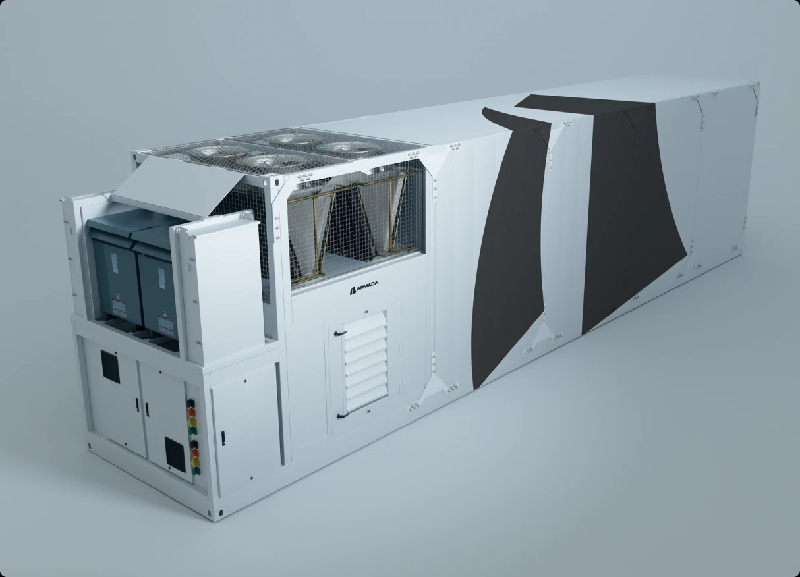
Armada's $230 million raise, bitcoin miners turning into AI landlords, and three federal grid emergencies all point to one thing: the next wave of AI infrastructure is modular, edge-based, and built where transmission lines can't reach.
Three chokepoints, light sources, mirrors, and photoresists, define the global EUV lithography supply chain and reveal more about the next five years of chipmaking than any corporate denial or government statement.
Head tracking in $349 headphones, haptic vests for VR gaming, and conductive yarns woven into fabric prove that decades of spatial-audio and haptics research are finally shipping in consumer hardware, though the real test is whether they survive a Tuesday morning.
With five fabs and a 70% capacity CAGR, TSMC's N2 ramp leaves zero spare wafers, creating openings for Intel's 18A and Samsung's SF2 that neither has yet capitalized on.
The San Francisco startup is building an Arizona factory with Johnson Controls to produce portable AI infrastructure, as Dell'Oro data shows capex shifting to prefabricated and edge deployments.
OpenAI's Jalapeño, Cerebras's wafer-scale benchmarks, and a 44.6% ASIC shipment surge confirm that transformer-only inference chips are no longer experimental, they are the industry's new default.
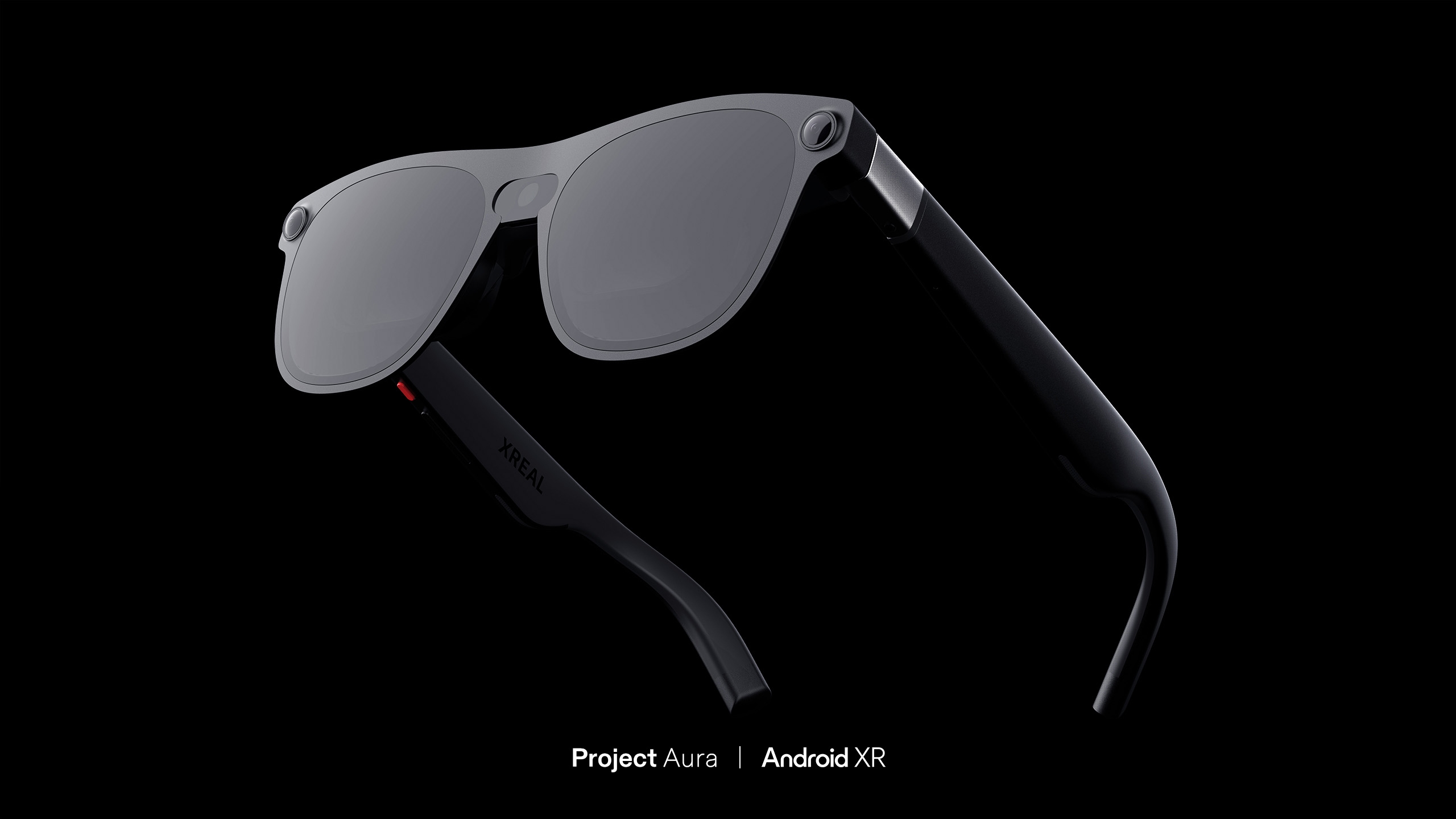
Xreal's Aura glasses, born from Google's Project Aura demo, are now open for reservations with a target price under $1,500 and a fall 2026 ship date, yet the demo-to-shelf gap remains the central narrative of consumer hardware in 2026.
As TSMC's CoWoS capacity struggles to meet AI silicon demand, MediaTek turns to Intel's embedded multi-die interconnect bridge technology for its AI ASIC production, signaling a split in advanced packaging orders that could reshape the foundry landscape.
As Armada's $230 million Arizona factory and Comfort Systems' record prefabrication backlog signal, modular data centre construction is no longer experimental, instead reshaping AI's physical footprint from edge pods to fibre backbones.
The EUV lithography supply chain, already strained by AI chip demand, now deals with helium shortages from Middle East instability, creeping Chinese equipment advances despite sanctions, and customer pushback on High-NA pricing.
A $17.8 billion market is taking shape beneath server racks as direct-to-chip and immersion cooling, once the province of HPC outliers, become the default thermal design point for hyperscale AI infrastructure.
Google forking its TPU into separate training and inference dies at 2nm signals that the AI chip market is splitting, and for inference-only ASICs the crucial design question is no longer what a chip can do but what it can leave out.
Google, Meta, Amazon, and a wave of startups are designing silicon that runs transformers and nothing else. The general-purpose AI accelerator is being retired in real time.
As inference overtakes training, custom ASICs purpose-built for transformers from Google, Cerebras, and emerging startups are challenging the GPU monopoly and rewriting the semiconductor roadmap.
As Nvidia reserves most of TSMC's CoWoS capacity, the industry scrambles for alternatives like hybrid bonding, reshaping chip design from substrate to interconnect pitch.
TSMC's strategic fab placements across four jurisdictions reflect a shift where governments, not just markets, now dictate chip process node locations, and the 2028 production milestones will test whether this geopolitical experiment sustains the semiconductor supply chain.
By Anouk Devereaux·7 min
No articles in this desk yet.
Get the Daily Brief before your first meeting.
Five stories. Four minutes. Zero hot takes. Sent at 7:00 a.m. local time, every weekday.
 Datacenters & Infrastructure · Power Grids