With GPU utilization stuck at 5 percent and platform engineering adding layers of abstraction, the hyperscalers' $400B managed Kubernetes empire faces a quiet reassessment as post-K8s alternatives move beyond thought experiments.
Three separate categories of application security testing are collapsing into unified platforms due to market pressure from AI-native entrants that treat code as language, not just text.
After a decade of evangelism, Rust cracks the TIOBE top 10 as Zig rejects AI-generated code, Mojo targets the Python-to-C performance gap, and Swift quietly builds a server-side foothold, signaling that the systems-language landscape hasn't flipped but the ground has shifted.
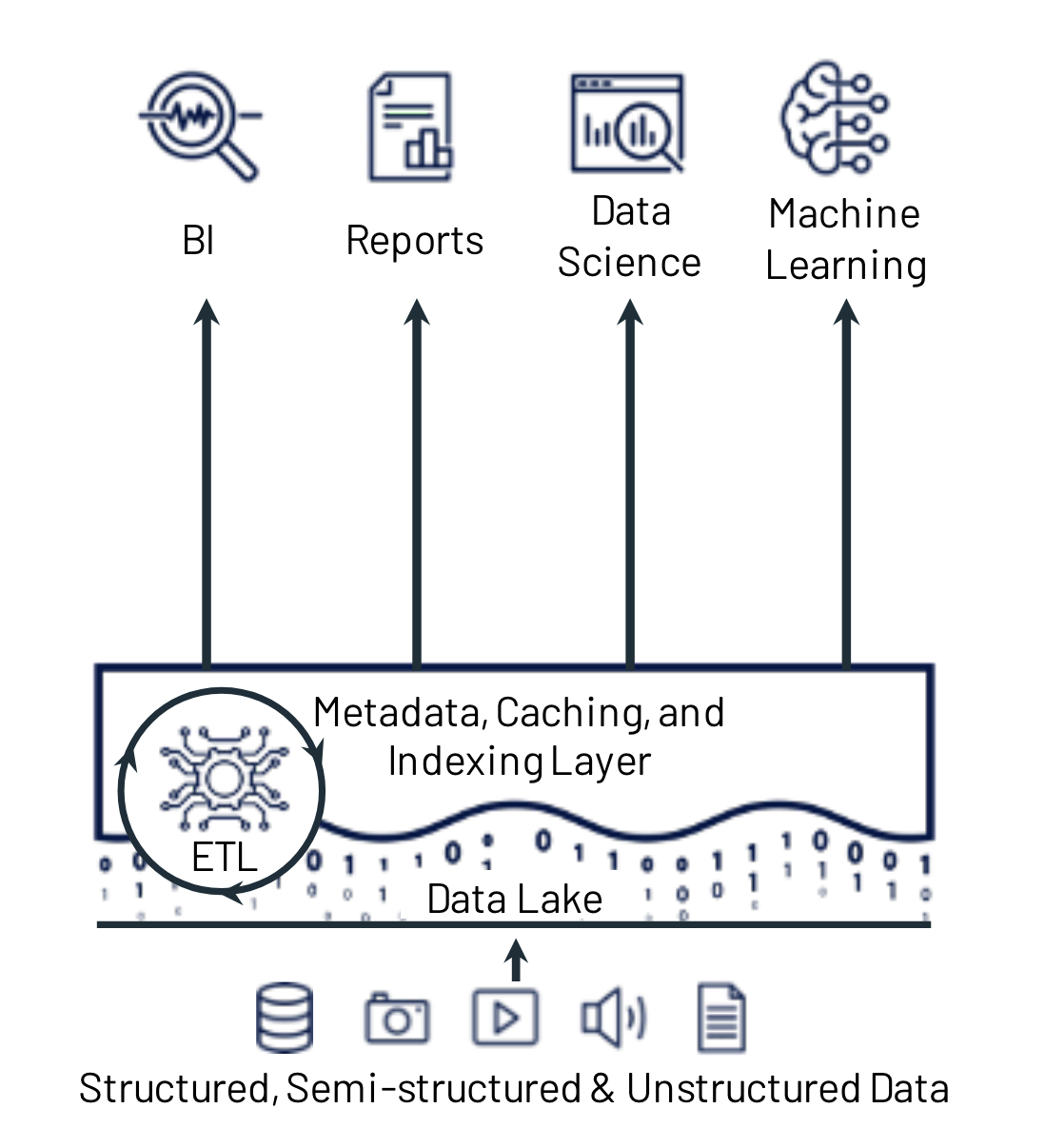
The convergence of DuckDB, open table formats, and the lakehouse model is collapsing the old boundary between OLAP engines and data warehouses, proving that if it queries like a warehouse, it is one.
As Anthropic's Routines and Qodo's $70 million raise accelerate automated PR review, the tools outpace the industry's ability to audit them, leaving the security model still unwritten.
The convergence of a Bloomberg report on Meta Compute and Gartner's first cloud AI infrastructure ranking reveals an inference-cloud market being redrawn in real time, shaking neocloud valuations.
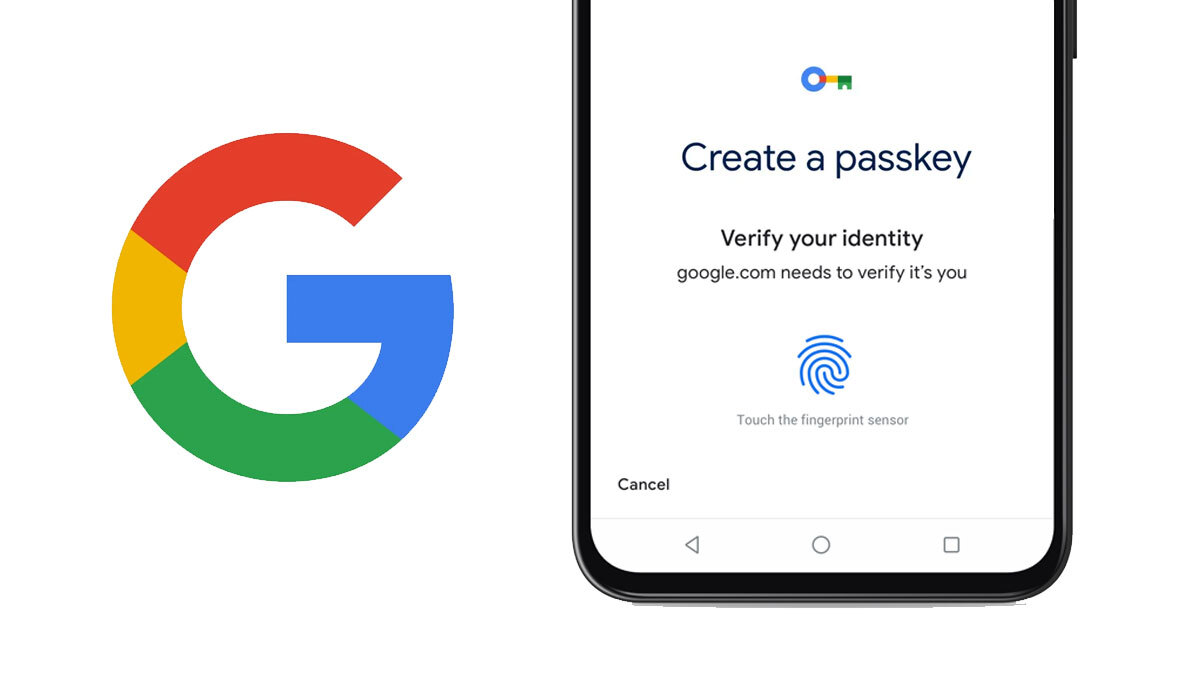
With 5 billion passkeys now in use and Microsoft making them the default for enterprise customers, the post-password era has arrived, but a quarter of major web services still do not support the standard and account recovery remains the hardest unsolved problem.
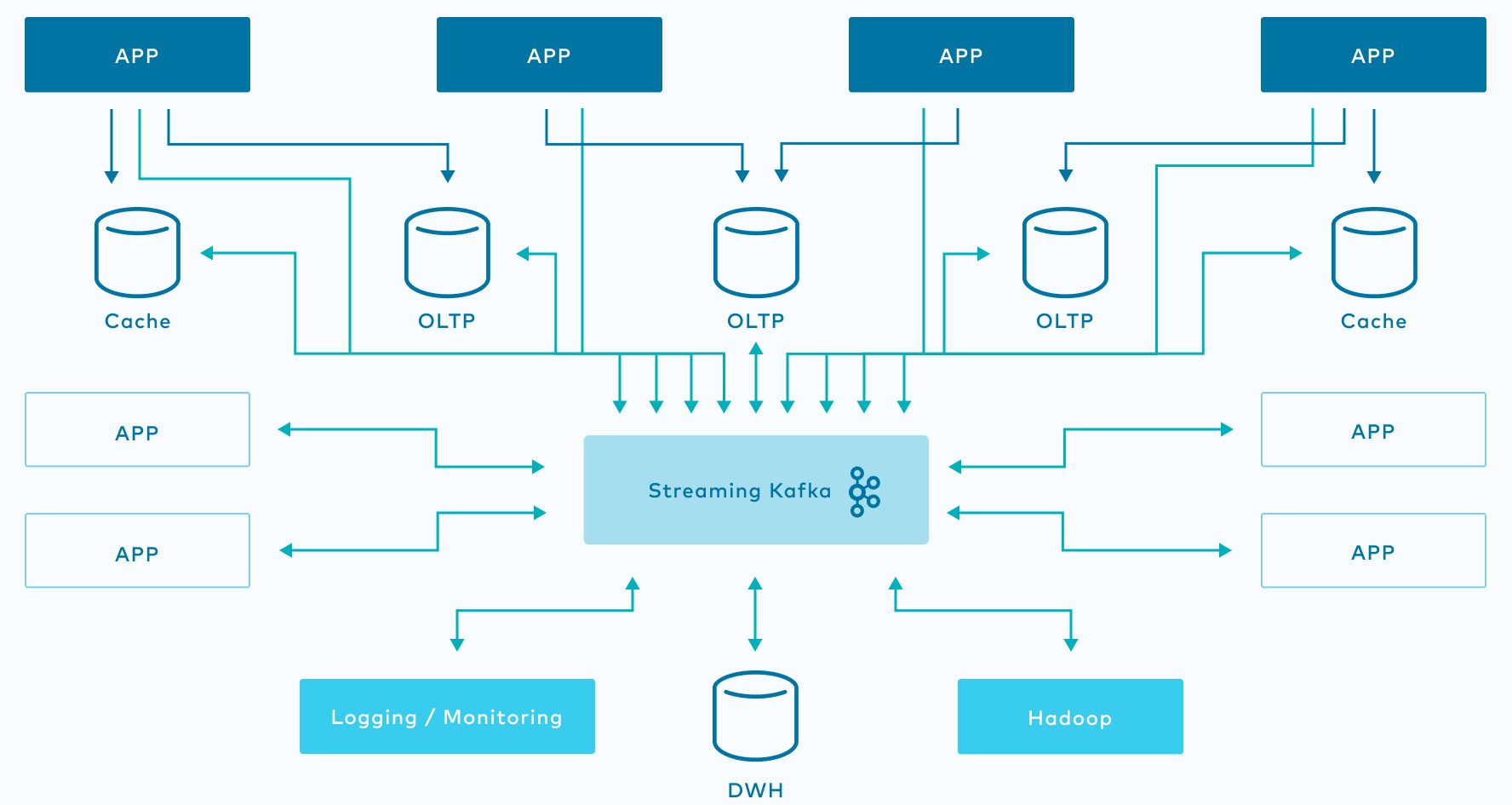
An 18-month consolidation wave, from WarpStream to IBM's blockbuster Confluent acquisition, has redefined the boundaries between Apache Kafka, its challengers, and the object stores that power modern streaming data infrastructure.
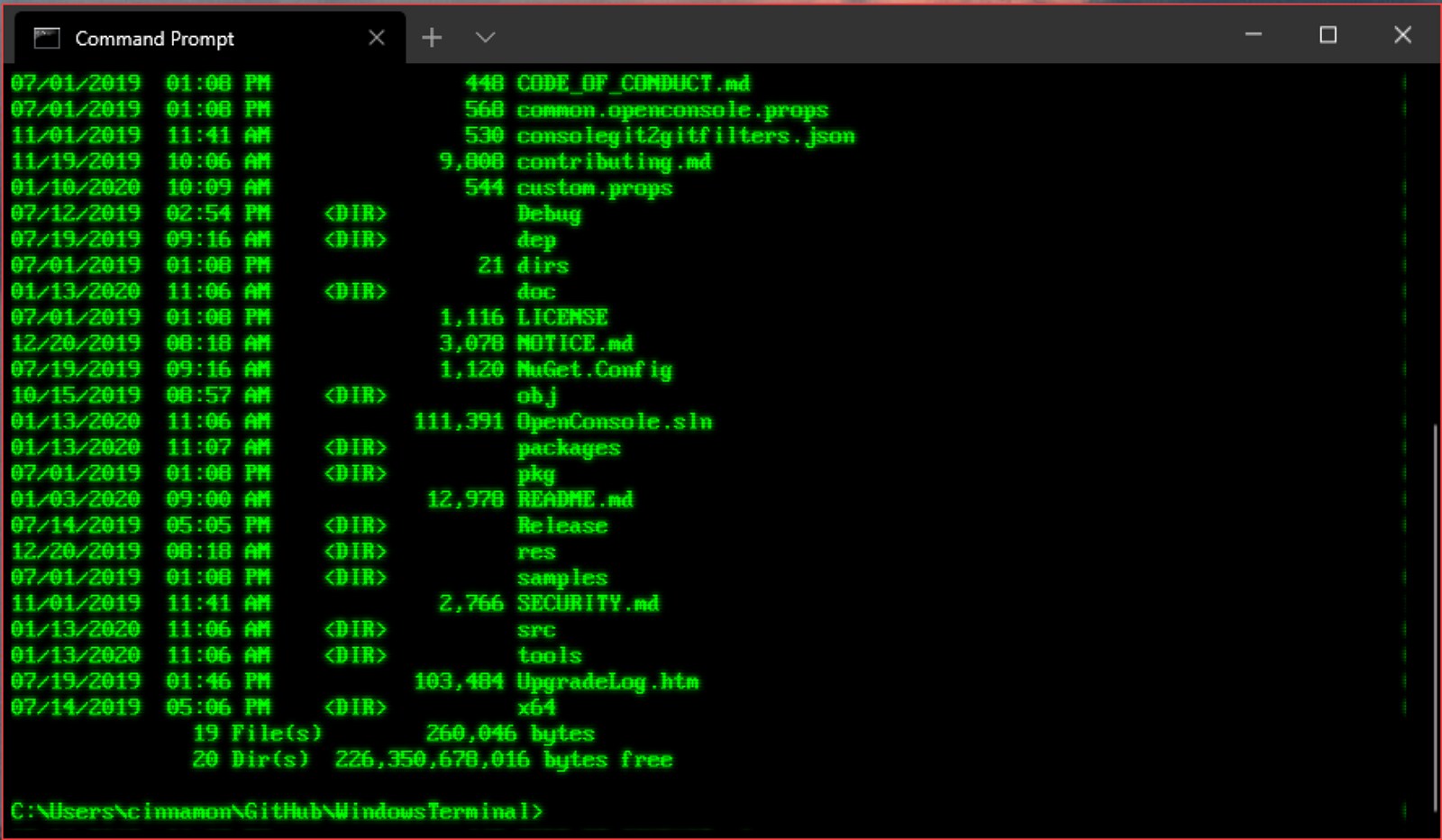
This summer, Microsoft forked Windows Terminal for AI, Google shuttered its community-built Gemini CLI after 6,000 contributions, and ZoomInfo launched an agent-facing command line, cementing the terminal as the new platform battleground.
Two Cursor IDE sandbox-escape flaws turn malicious prompts into OS-level code execution, exposing the same architectural weakness that runs through every AI tool enterprises are deploying.
As 97% of teams adopt AI coding assistants, governance and cost controls lag behind, forcing senior engineers to audit machine-generated code in a toolchain that evolves faster than quarterly planning cycles.
Regulators in the EU and US are converging on a ban of data egress fees, yet two years of platform integration and native services suggest that removing these tollbooths might not change where enterprises place their workloads, revealing a deeper lock-in problem.
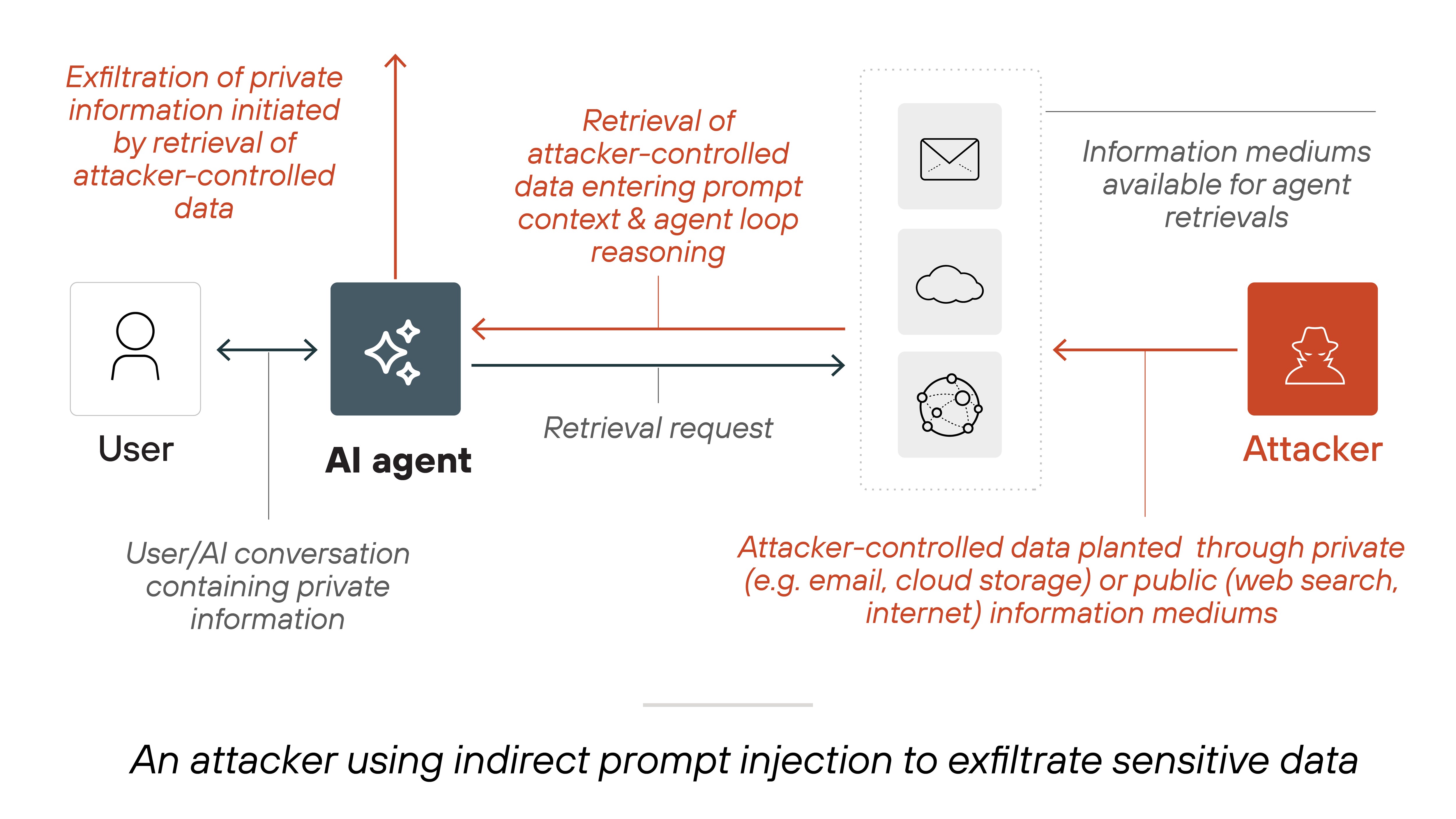
Two Cursor IDE sandbox-bypass flaws that enable remote code execution, a North Korean implant poisoning AI triage, and a 65% enterprise readiness gap confirm prompt injection is no longer a theoretical threat.
From WebAssembly in the browser to compiled native extensions and JIT-backed model training, Python's multi-front performance push is reshaping what the language can do and who gets to use it.
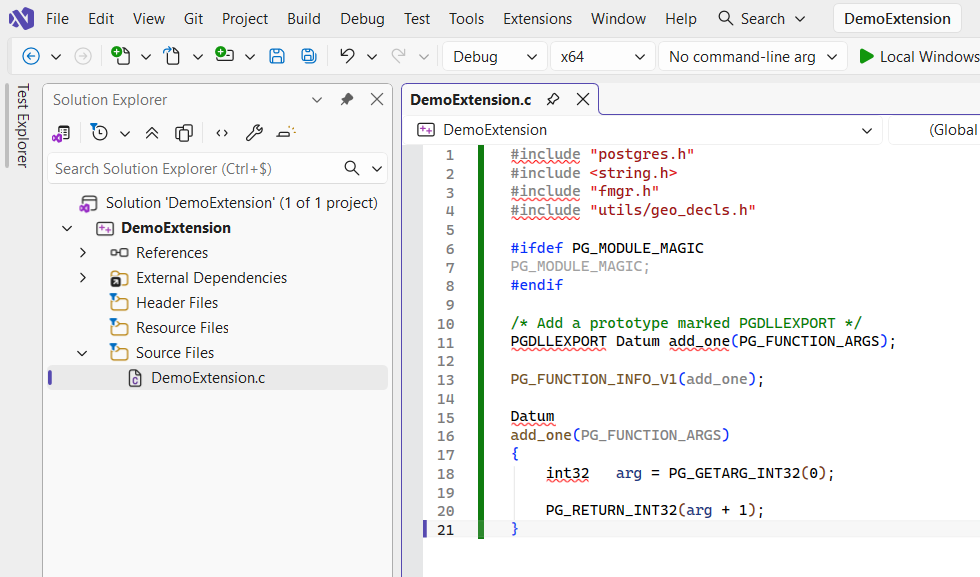
From pgvector to Citus, these extensions are not mere plugins but the leading edge of a platform shift that treats Postgres as a universal database engine, with hyperscalers and vendors racing to adapt.
Port's $100 million raise and a wave of enterprise Backstage deployments are forcing platform teams to confront the internal developer portal question that has been dodged for five years: are you buying a product, or hiring a second engineering org?
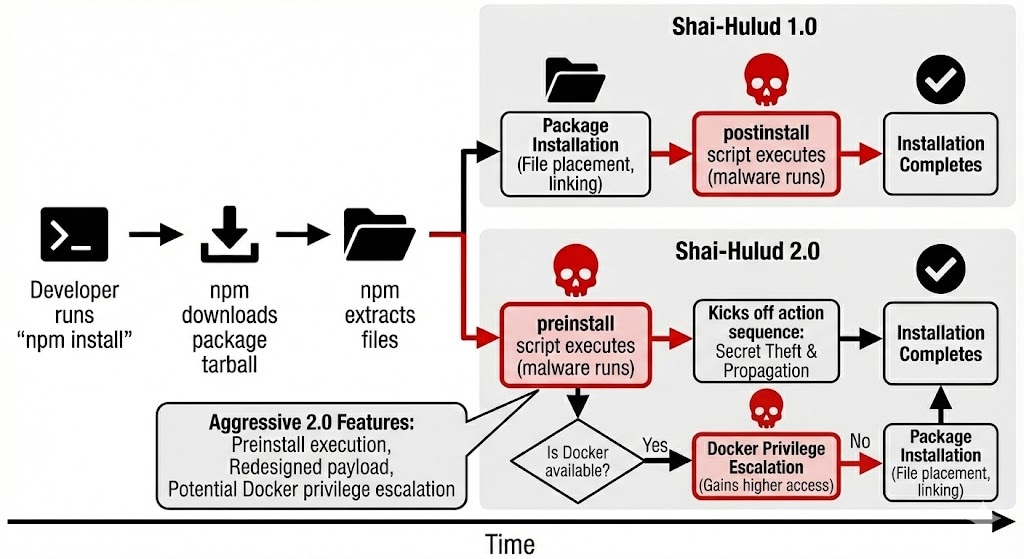
A self-replicating supply-chain worm infected 160 packages, stole credentials from OpenAI and Mistral builds, and triggered a month of emergency registry overhauls.
In May 2026, a worm named Mini Shai-Hulud poisoned npm, PyPI, and Docker Hub packages, stole 3,800 GitHub repositories, and exposed the open-source supply chain's biggest vulnerability: real signing keys can belong to fake publishers.
Microsoft's removal of Edge's master password after a disclosure fight exposes the uneven passwordless transition: 5 billion passkeys are in use, but enterprise adoption lags at 30%.
Node, Bun, and Deno are all converging on TypeScript as the standard for server-side JavaScript, a bet that accelerates adoption but creates fragmentation with hidden costs for developers.
From a patched LangGraph vulnerability chain to a single-binary SQLite engine called Obelisk, the first half of 2026 has shown that an agent's memory is also its attack surface, even as infrastructure is only beginning to catch up with durable execution.
CoreWeave's $21B Meta deal, Anthropic partnership, and first Vera Rubin deployment solidify its neocloud lead as the AI race pivots to inference, with rivals Lambda, Crusoe, and hyperscalers crowding in.
From ChatGPhish to Anthropic's browser agent hijacks, a series of 2026 revelations underscore the growing LLM vulnerability landscape that no vendor has patched.
Microsoft's open-source Intelligent Terminal and emerging command-line coding agents like Reasonix are shifting the center of gravity from the editor to the terminal, redefining developer workflows.
By Elif Károlyi·9 min
No articles in this desk yet.
Get the Daily Brief before your first meeting.
Five stories. Four minutes. Zero hot takes. Sent at 7:00 a.m. local time, every weekday.
 Software · Cloud Infrastructure