Beneath the WARN filing numbers from Walmart, Cisco, and Oracle, the severance negotiations and 4 a.m. emails reveal the real economic burden placed on displaced tech workers.
As Treasury processes refunds from the Supreme Court’s IEEPA tariff ruling, a strong dollar and consolidating cross-border payments infrastructure are reshaping cost structures for software and services sold internationally.
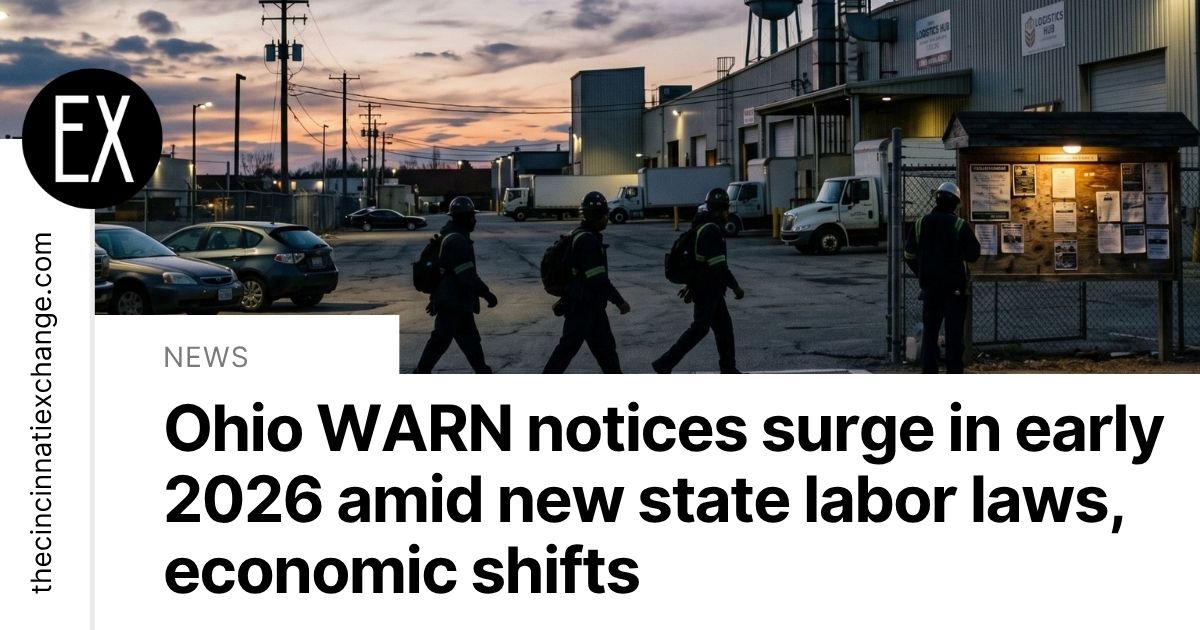
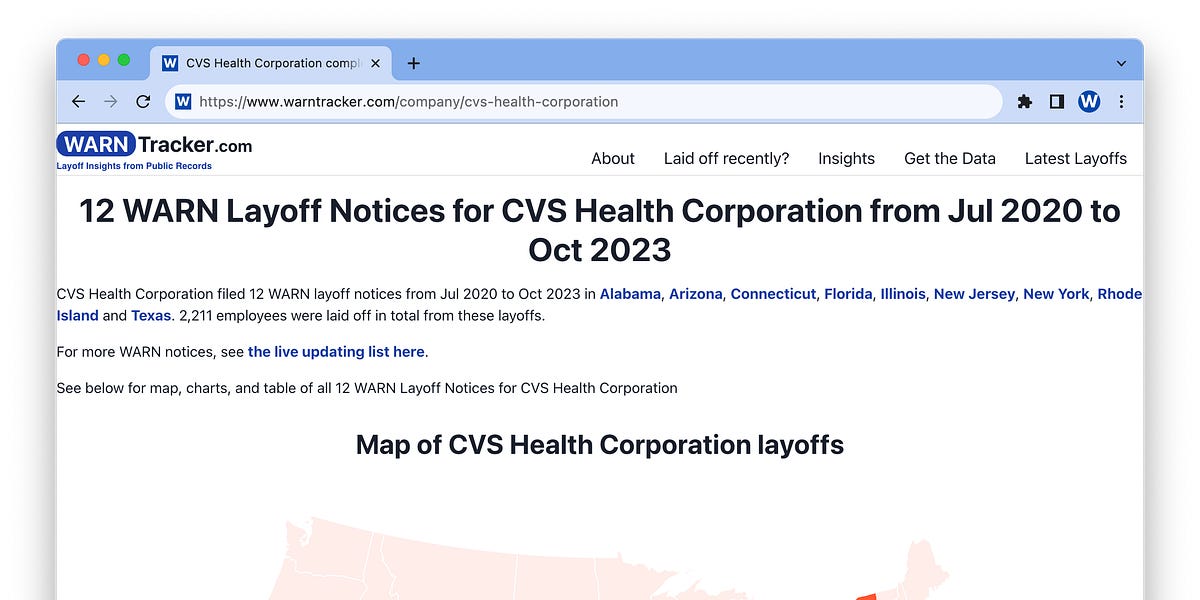
Halfway through 2026, the federally mandated WARN notices reveal a stark divide between corporate AI layoff narratives and the actual severance and restructuring data companies file, exposing a labor market story that press releases consistently ignore.
With the Federal Reserve holding interest rates steady under a new chair and Bank of America scrapping its dovish forecast, the discount-rate math that propped up cash-burning software is reversing, exposing unprofitable companies without a path to free cash flow.
As global M&A hits a record $2.6 trillion, the Paramount-Warner Bros. Discovery deal shows how dealmakers tackle a fractured regulatory environment spanning state AGs and EU foreign subsidies.
As Washington unwinds $166 billion in illegal tariffs and Beijing onboards banks to the digital yuan, the real architecture of cross-border tech trade is shifting line by line.
Salesforce’s 30-week severance packages, amid swelling AI budgets, reveal a structural shift in how tech companies use payouts to bypass WARN Act notice rules.
While American tech companies cut over 142,000 jobs in early 2026, they are simultaneously competing for off-market senior talent, revealing a bifurcated L5+ hiring market where the old playbook no longer works.
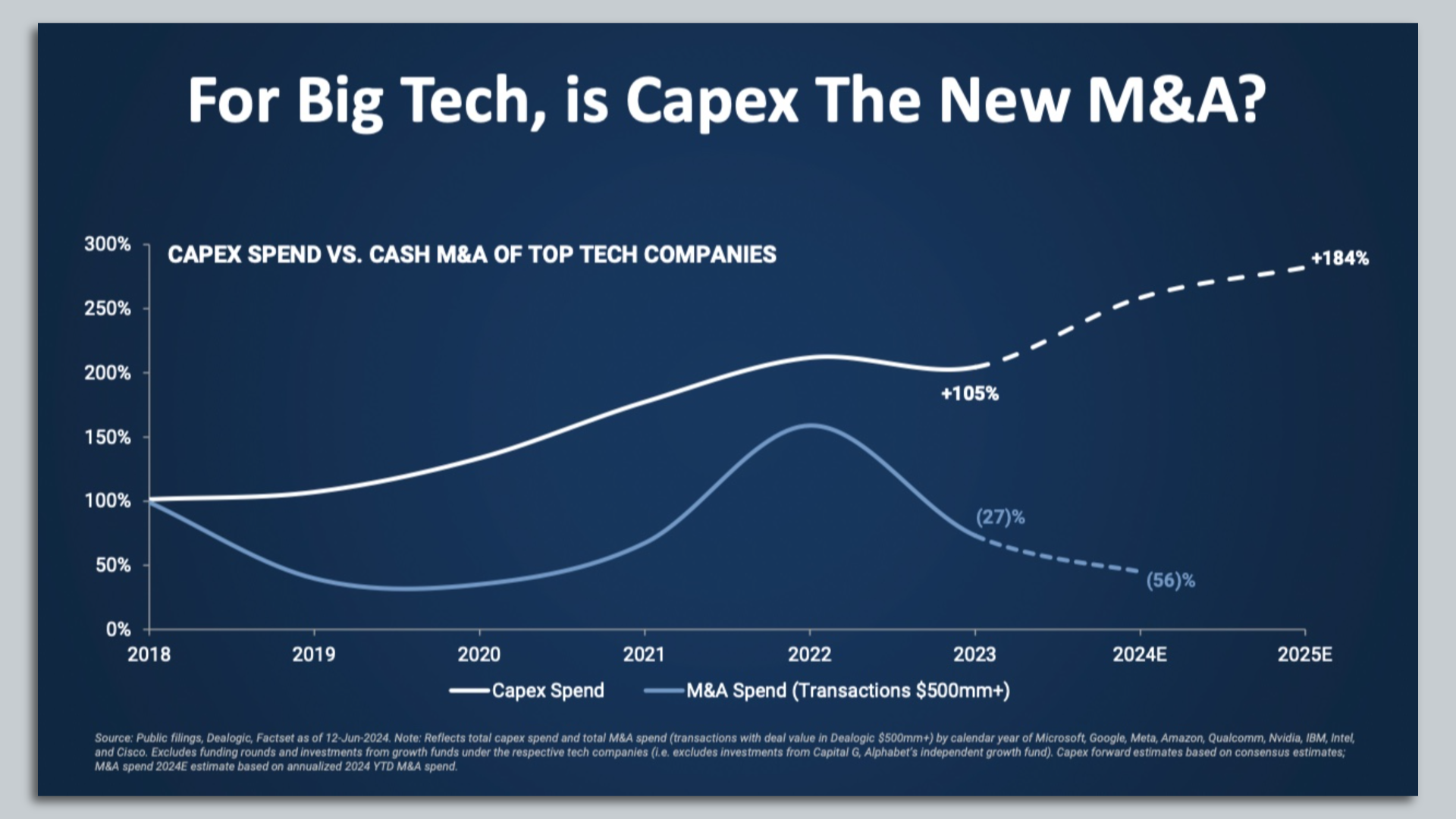
Hyperscaler capex has now eclipsed revenue beats as the main driver of quarterly earnings reactions, forcing investors to price the widening gap between AI infrastructure outlays and their uncertain returns.
Demand for L5+ engineers with AI and machine-learning skills is rising sharply. Demand for everyone else at that level is flattening. The pipeline that produces senior engineers is the part nobody is talking about.
Alphabet's $80 billion equity raise, announced this month, sharpens the revenue growth question for hyperscalers, as Q1 earnings show the market no longer rewards AI spending commitments on faith.
As tech job postings hit a three-year high, demand skews sharply toward senior engineers with AI skills, leaving mid-level generalists with fewer options.
Alphabet, Amazon, Meta, and Microsoft, the four hyperscalers, reported Q1 earnings that point to a collective capex of nearly $750 billion, yet the market reaction split sharply, revealing a deep tension between growth investment and free cash flow.
More than 113,000 tech workers have been laid off in 2026, but 67,000 software engineering roles remain unfilled. The difference is leveling, and it is reshaping who holds leverage.
Hyperscalers spending $725 billion on AI infrastructure this year will unleash depreciation charges that reshape income statements across industries for the rest of the decade.
The collapse of the WTO's 28-year e-commerce tariff moratorium in Yaoundé is not a diplomatic failure but the latest line item on an invoice the tech industry deferred, exposing currency exposure, tariff creep, and the slow dismantling of the digital free-trade order.
A Resume Genius survey shows 22% of job seekers now use AI tools during live interviews, prompting employers to redesign hiring funnels amid AI-generated resume floods, yet the core question of what interviews truly measure lingers.
From TransDigm’s 47% operating margins to Meta’s spiraling AI budget, depreciation accounting increasingly explains the gap between what companies invest and what they actually earn.
Investors in Q1 2026 rewarded Alphabet and Amazon for translating AI capex into revenue while punishing Microsoft and Meta for promises tied to infrastructure years from paying off.
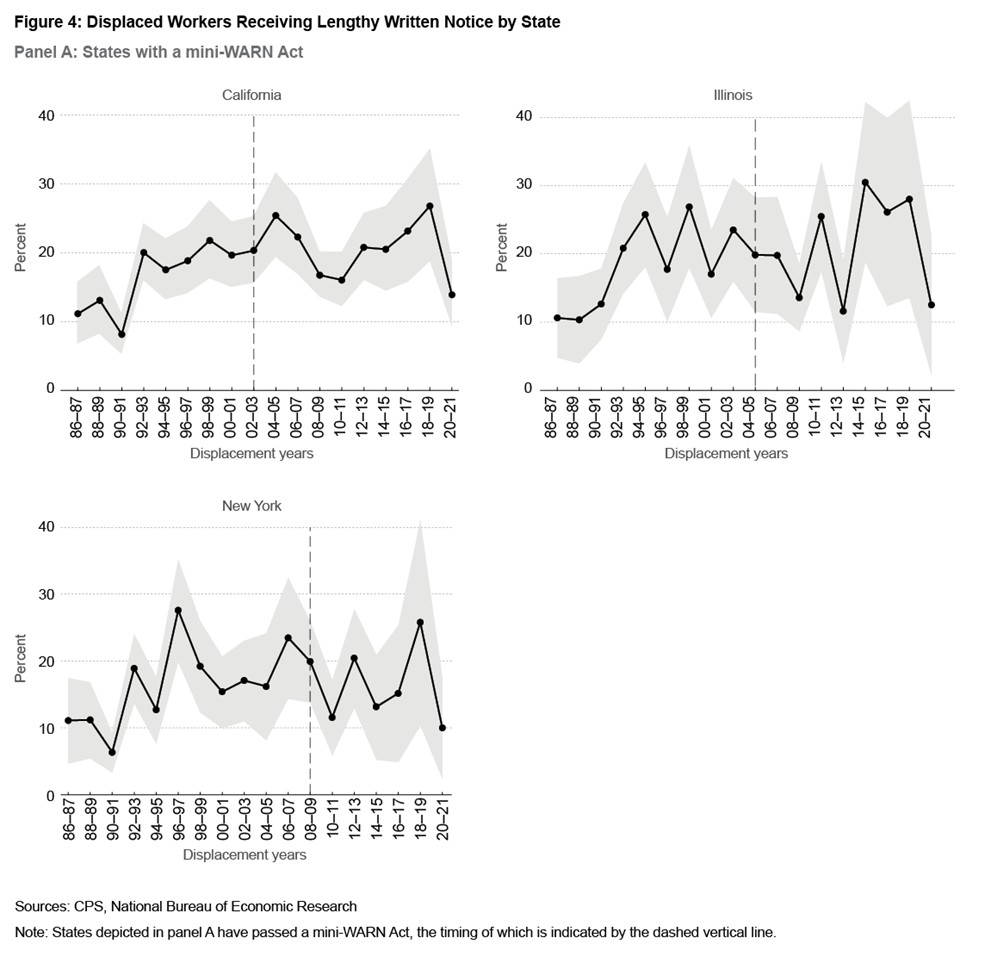
Oakland City University's WARN notice, followed by its denial of any layoff plans, reveals how the law functions in 2026: less a worker protection than an early-warning indicator of institutional distress.
The two-million-visitor drop in Canadian border crossings is an early signal that tariffs, a strong US dollar, and the de minimis repeal are rewiring the economics of every cross-border digital transaction.
New tariffs, digital services taxes, and a strong dollar are driving up cross-border tech costs, with two million fewer Canadian border crossings signaling a wider trade policy reckoning.
Companies like Oracle and Southwest Airlines now use the WARN Act's 60-day notice requirement to structure severance packages and delay mass layoff warnings, shifting costs to workers.
By Esi Greenstein·8 min
No articles in this desk yet.
Get the Daily Brief before your first meeting.
Five stories. Four minutes. Zero hot takes. Sent at 7:00 a.m. local time, every weekday.
 Opinion · Tech Labor