A record $392 billion in North American startup funding masks a venture market rapidly concentrating capital and governance control among megafunds, squeezing founder leverage each quarter.
For companies with 10 to 60 employees, weekly operating rhythms matter more than quarterly reports, but the pressure of public markets forces a tempo change that rewrites how decisions are made and how teams function.
Revolut's quiet reversal of its remote-first policy for new graduates signals a pivotal shift in startup culture, where flexibility for senior staff masks a growing expectation of in-office work for the next generation.
Record venture capital funding of $510 billion in H1 2026, including $100 million Series A rounds and a potential trillion-dollar Anthropic IPO, is creating a pre-IPO pipeline and rewriting the rules of venture capital.
Datavault AI's non-binding, tokenization-mandated term sheet, anchored by preferred units in a fixed-income vehicle, represents the new template for structured capital reaching growth-stage companies in 2026.
Anthropic's $65B Series H marks a high-water mark for late-stage AI funding, blurring private and public markets and forcing Series A founders to compete where $100M rounds are the new minimum.
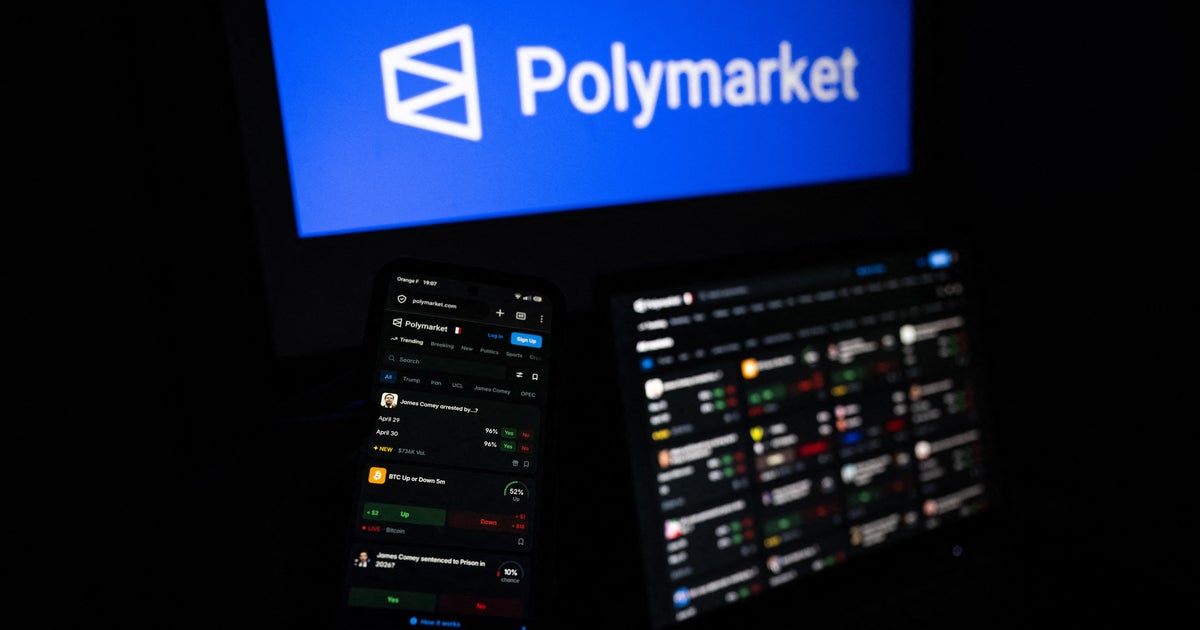
With Anthropic warning investors off unauthorized share platforms and Polymarket letting retail traders bet on private startups, venture capital's traditional IPO exit path is fracturing from the outside in.
Kraken's co-CEO arrangement as it approaches an IPO, alongside the Ethereum Foundation's recent turmoil, underscores a broader startup movement to prevent co-founder relationships from imploding through shared leadership.
As secondary trading volumes hit records, Anthropic clamps down on unauthorized platforms and SpaceX's mega-IPO looms, tokenization and new infrastructure are reshaping private share liquidity faster than regulations can keep up.
Repeat founders raise money faster, exit higher, and get the benefit of every doubt, but new Crunchbase data reveals who the system shuts out amid record AI funding.
As Anthropic rushes from a $65 billion Series H to an S-1 filing in just four days, the AI fundraising window is shrinking faster than investors anticipated, signaling a new pre-IPO race.
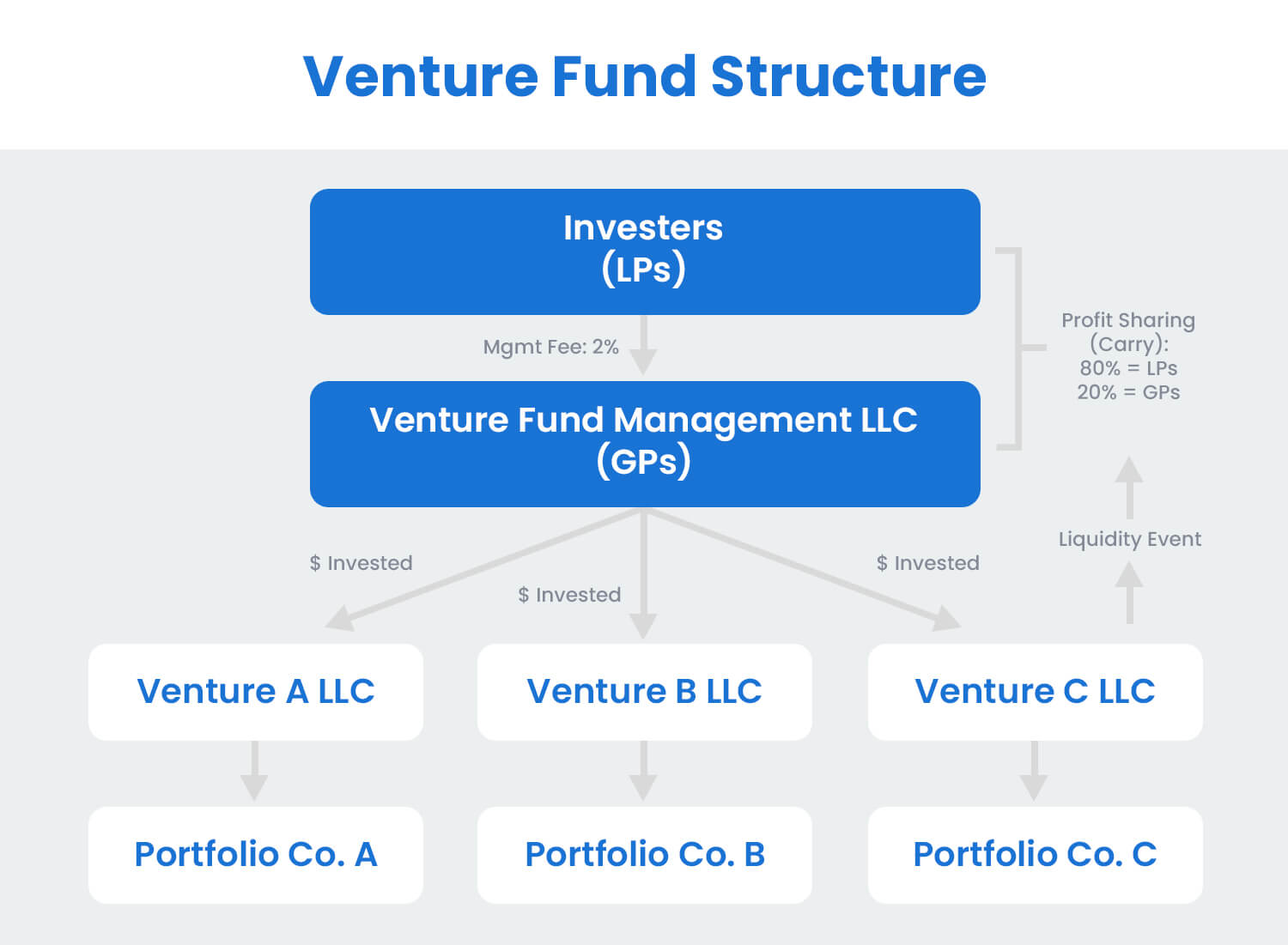
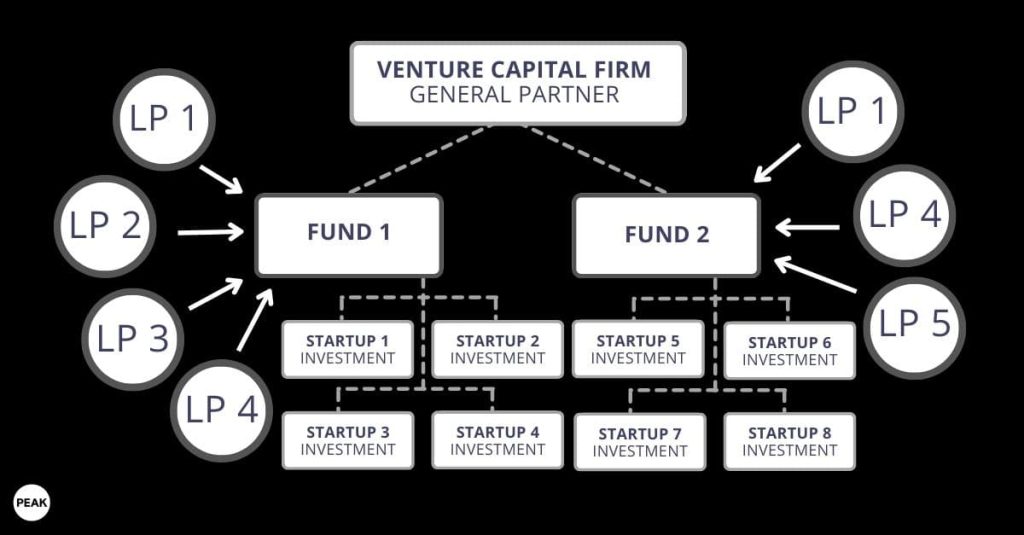
The ILPA releases guidance to shift fund formation legal costs away from limited partners, while Robinhood mints 150,000 retail LPs and solo GPs keep closing term sheets, rewriting the venture fund cycle in 2026.
Crypto exchange Kraken spent two years building a co-CEO leadership structure designed to prevent the kind of founder conflict that recently landed OpenAI in court, offering a roadmap for other startups.
Retail investors, 401(k) reforms, and a coming IPO wave are redrawing the venture capital LP base, pushing traditional backers like endowments to share the cap table with day traders and retirement savers.
From the steroid-soaked spectacle of the Enhanced Games to an AI tribunal for billionaires, this breed of serial entrepreneur treats every startup as a warm-up, with the Las Vegas event just closing its books as its founders already left.
A $32 million seed-and-Series-A combo for agent infrastructure and a $950 million growth round for an AI customer-experience platform are fueling a 2026 deal-flow conveyor belt that is running faster and hotter than any moment since 2021.
Robinhood's publicly traded venture fund now holds OpenAI shares, and AngelList's regulated VC fund accepts a $500 minimum, together tapping billions from retail investors who have never encountered a capital call.
As traditional limited partners retreat, banks and retail vehicles surge into venture capital, while the AI megacycle concentrates capital at the top, driving the most consequential realignment of the fund-raising model in a generation.
After scaling micromobility unicorn Voi, Fredrik Hjelm and co-founders launch Pit, an AI-native enterprise platform securing $16M from Andreessen Horowitz, illustrating the venture premium on repeat founders.
AngelList's $500-minimum fund, Robinhood's NYSE-listed VC vehicle, and Restive's bank-backed Fund III closure signal a structural rewiring of the venture capital LP base that will reverberate through every cap table.
Though a record $242 billion in AI venture funding in Q1 2026 suggests founders have the leverage, the complex deal structures being negotiated reveal a more nuanced battle for boardroom control as valuations soar past $900 billion.
From SiFive's $3.65 billion chip-design round to Anthropic's massive shadow funding, late-stage AI and infrastructure deals concentrate capital among hedge funds and strategic giants, leaving less room for early-stage backers.
From a photographer's kitchen in Antarctica to a San Francisco startup office, the real startup culture experiment isn't about where people sit but who gets to decide when and where they work.
By Caoimhe Yamashita·7 min
No articles in this desk yet.
Get the Daily Brief before your first meeting.
Five stories. Four minutes. Zero hot takes. Sent at 7:00 a.m. local time, every weekday.
 Startups · Venture Capital