 Compute & Inference Economics
Batching, KV-cache compression, and speculative decoding slash token costs while NVIDIA's Vera Rubin promises a hardware reset, focusing the race on who captures the savings.
Jul 21, 2026
·
10 min
 Compute & Inference Economics
EC2 Capacity Blocks for Nvidia GPUs now cost $14.04 per accelerator-hour, as the spot market vanishes into multi-year reservations that extend through 2028.
Jul 11, 2026
·
9 min
 Compute · Pricing
A memory crunch drives a 20% hike in AWS on-demand GPU prices, while neoclouds and Meta reshape reserved and spot instance allocation.
Jul 6, 2026
·
9 min
 Compute · Inference Economics
Amazon's second cloud GPU price hike of 2026 reveals a compute market splitting between hyperscalers with multi-year reserved contracts and everyone else paying by the hour on the spot market.
Jul 1, 2026
·
10 min
 Compute & Inference Economics · Energy and Cooling
Data center power densities have broken air cooling's limits as frontier AI models push racks past 100 kW, driving a fast-moving supply chain shift toward liquid cooling solutions.
Jun 21, 2026
·
9 min
Compute & Inference Economics · AI Infrastructure
Gartner forecasts data center electricity consumption will hit 565 TWh in 2026, a 26% leap, yet the quieter surge is the $29.2 billion liquid cooling market racing to prevent AI hardware meltdowns.
Jun 16, 2026
·
11 min
 Compute · Inference Economics
As the split between reserved and spot GPU instances widens into a two-tier market, ICE and CME aim to launch compute futures contracts that could turn GPU power into a tradable commodity by year-end.
Jun 11, 2026
·
9 min
 Compute Economics · Energy
Direct liquid cooling now costs more than the GPUs it cools, as data center operators face soaring electricity prices and water scarcity that are reshaping global compute infrastructure.
May 27, 2026
·
9 min
Compute Economics · Pricing
With H100 rental rates up 38% in six months and cloud premiums hitting 3x over bare-metal, Wall Street is launching compute futures to turn GPU hours into a tradable asset class.
May 22, 2026
·
9 min
 AI · Infrastructure Economics
With Nebius acquiring a $643M inference optimization startup and CoreWeave securing $21B from Meta, the neocloud race shifts from GPU capacity to per-token software margin, raising the stakes for full-stack ownership.
May 14, 2026
·
9 min
 Compute Economics · Energy & Cooling
Hyperscale data center investments are soaring, but efficiency now hinges on kilowatts per rack, cost per token, and a liquid cooling market growing 19.2 percent annually.
May 14, 2026
·
9 min
 Compute & Inference Economics · Token Pricing
Token limits, usage-based billing, and the end of VC-subsidised inference are redrawing the unit economics for every product that wraps a third-party model.
May 13, 2026
·
10 min
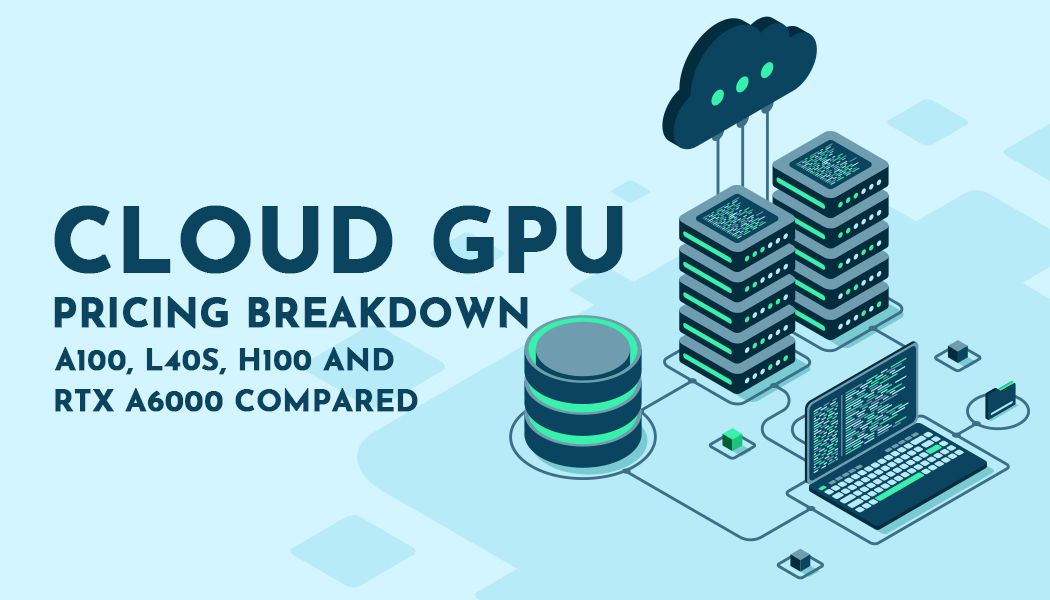 Compute · Inference Economics
SemiAnalysis data shows one-year H100 contracts rose from $1.70 to $2.35 per GPU-hour, and the widening gap between reserved and spot pricing is shifting profitability in AI inference.
May 13, 2026
·
8 min
 Compute & Inference Economics · Tokyo
Nebius's $643M purchase of 20-person Eigen AI, valuing inference optimization at $32 million per engineer, and CoreWeave's $21 billion Meta deal signal that the neocloud race now centers on extracting maximum tokens per GPU rather than GPU count.
May 13, 2026
·
9 min
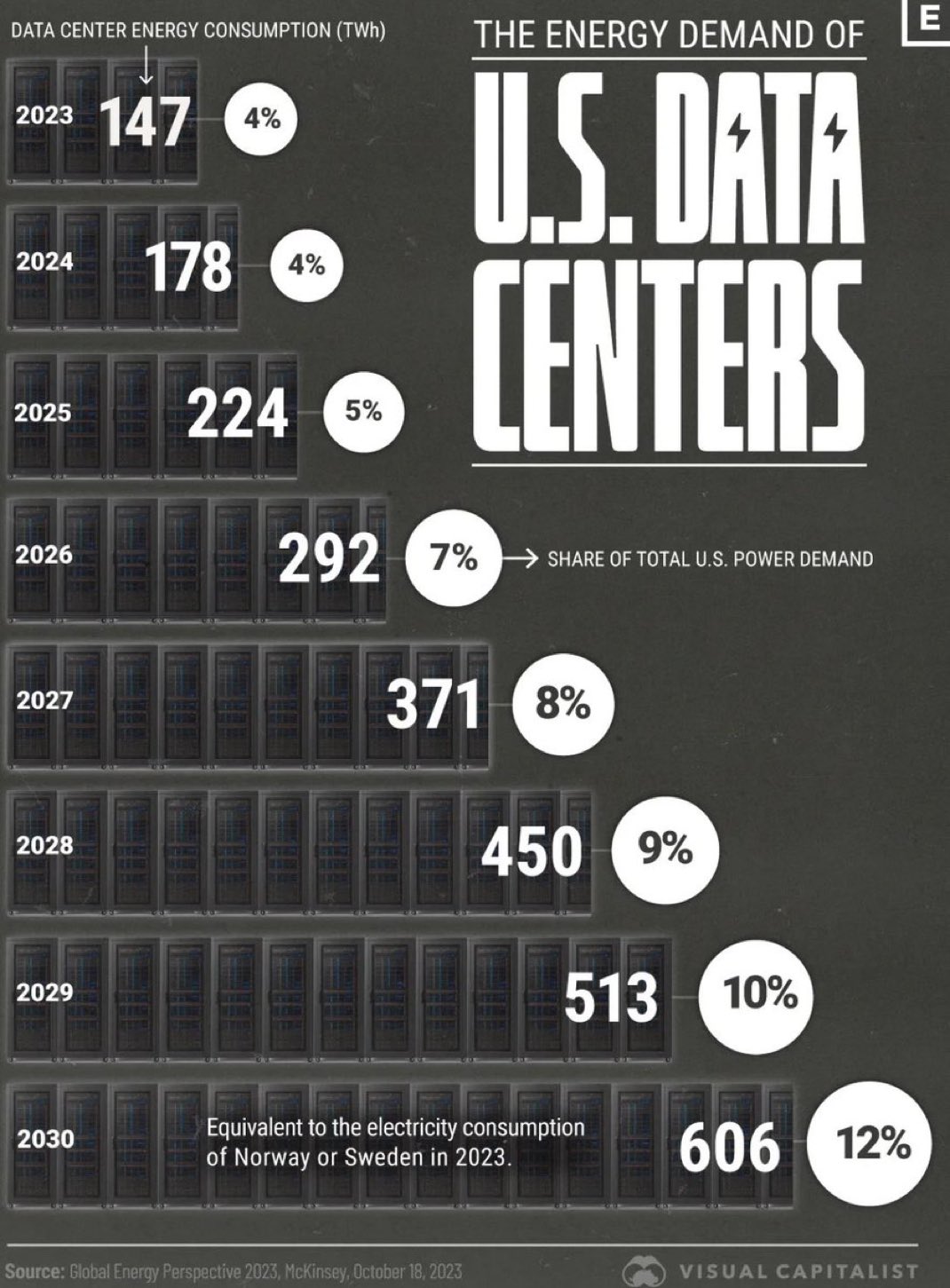 Compute Economics · Infrastructure
Hyperscalers are pouring $700 billion into 2026 data center capex while the cooling market grows 19.2 percent annually, reshaping per-token energy costs for inference.
May 12, 2026
·
8 min
 Compute · Inference Economics
Nebius's $643M acquisition of a 20-person MIT inference-optimization spinout resets neocloud valuations as CoreWeave books $27B in weekly deals and xAI builds its own chip fab.
May 12, 2026
·
10 min
 Compute & Inference Economics · Neocloud Competition
As CoreWeave locked $21 billion in Meta and Anthropic deals in 48 hours and xAI may become a neocloud in orbit, the per-token economy is reshaping who builds, who pays, and who captures the margin in AI infrastructure.
May 11, 2026
·
8 min
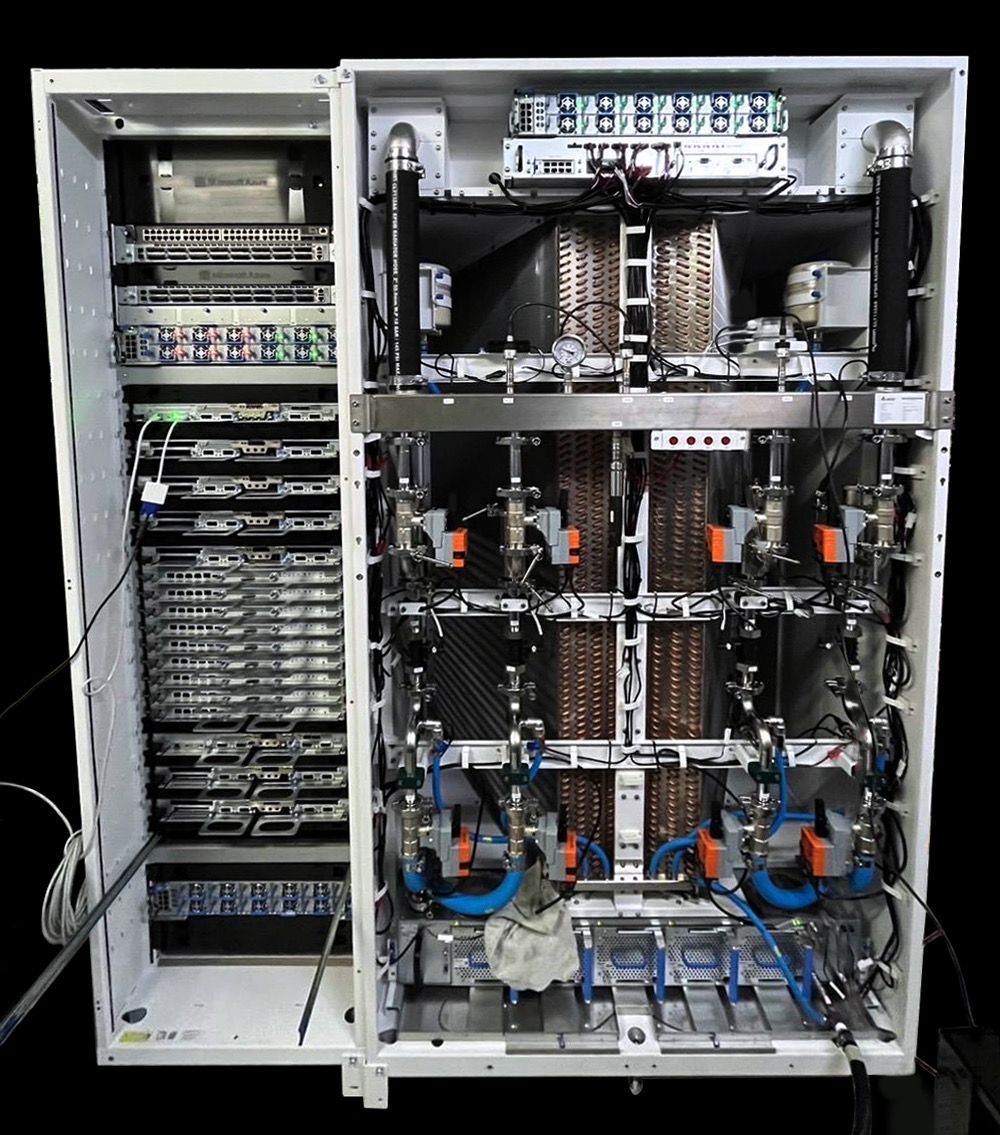 Compute & Inference Economics · GPU Markets
While reserved H100 contracts surge to $2.35 per hour, spot pricing hits $3.80, fueling a widening spread that's reshaping the AI infrastructure stack as enterprise GPU fleets languish at 5% utilization.
May 11, 2026
·
7 min
 Compute & Inference Economics
Reserved H100 pricing surged 38% in six months, but the widening spread between spot and reserved GPU instances reveals a deeper supply-demand imbalance in the AI infrastructure market.
May 10, 2026
·
8 min
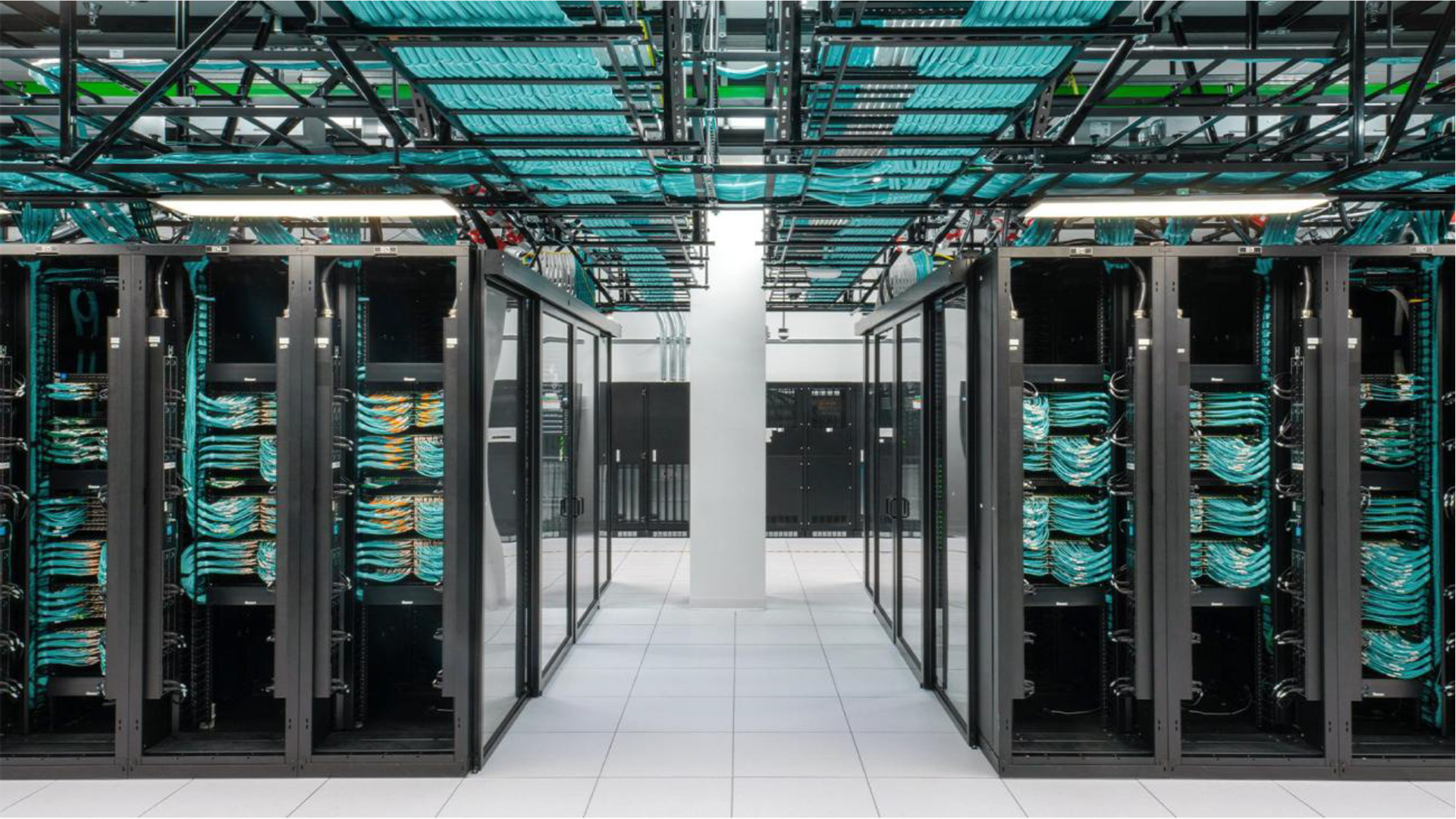 Compute Economics · GPU Markets
While reserved H100 pricing surged nearly 40% in six months to $2.35/hour, spot GPU markets are reshaping AI compute economics via idle capacity, forward curves, and a 5% utilization crisis.
May 10, 2026
·
10 min
 Compute & Inference Economics · Energy
As hyperscale AI capex tops $200B in 2026 and cooling infrastructure grows at 19.2% annually, the true per-token energy cost reveals a hidden margin shift that few invoices disclose.
May 9, 2026
·
9 min
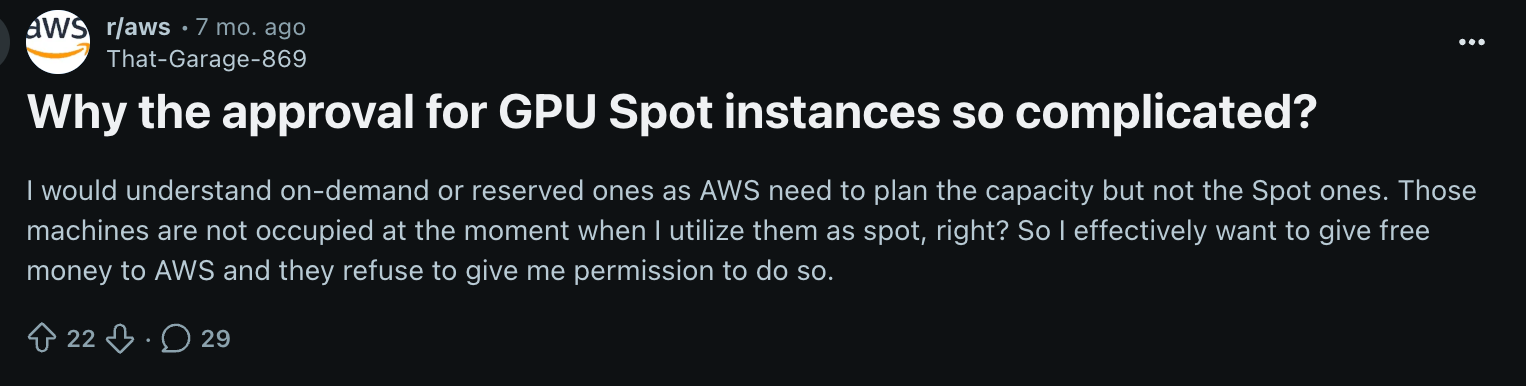 Compute & Inference Economics · GPU Markets
The GPU market's 2026 split pits $1.12/hr spot instances against $2.35/hr reserved H100 contracts, with enterprises hoarding idle capacity that drives both prices upward.
May 9, 2026
·
11 min
 Compute & Inference Economics · GPU Markets
Reserved-contract GPU pricing has surged 38% in six months while spot availability tightens and enterprise fleets idle at 5% utilization—the per-token math is shifting faster than procurement cycles can track.
May 9, 2026
·
10 min
 AI · Economics
Of $122B raised, $84B is committed to compute through 2028. We worked the unit economics with the public cloud invoices, the H200 contract pricing, and the internal projections that have leaked.
May 8, 2026
·
2 min
