 Software · Data Infrastructure
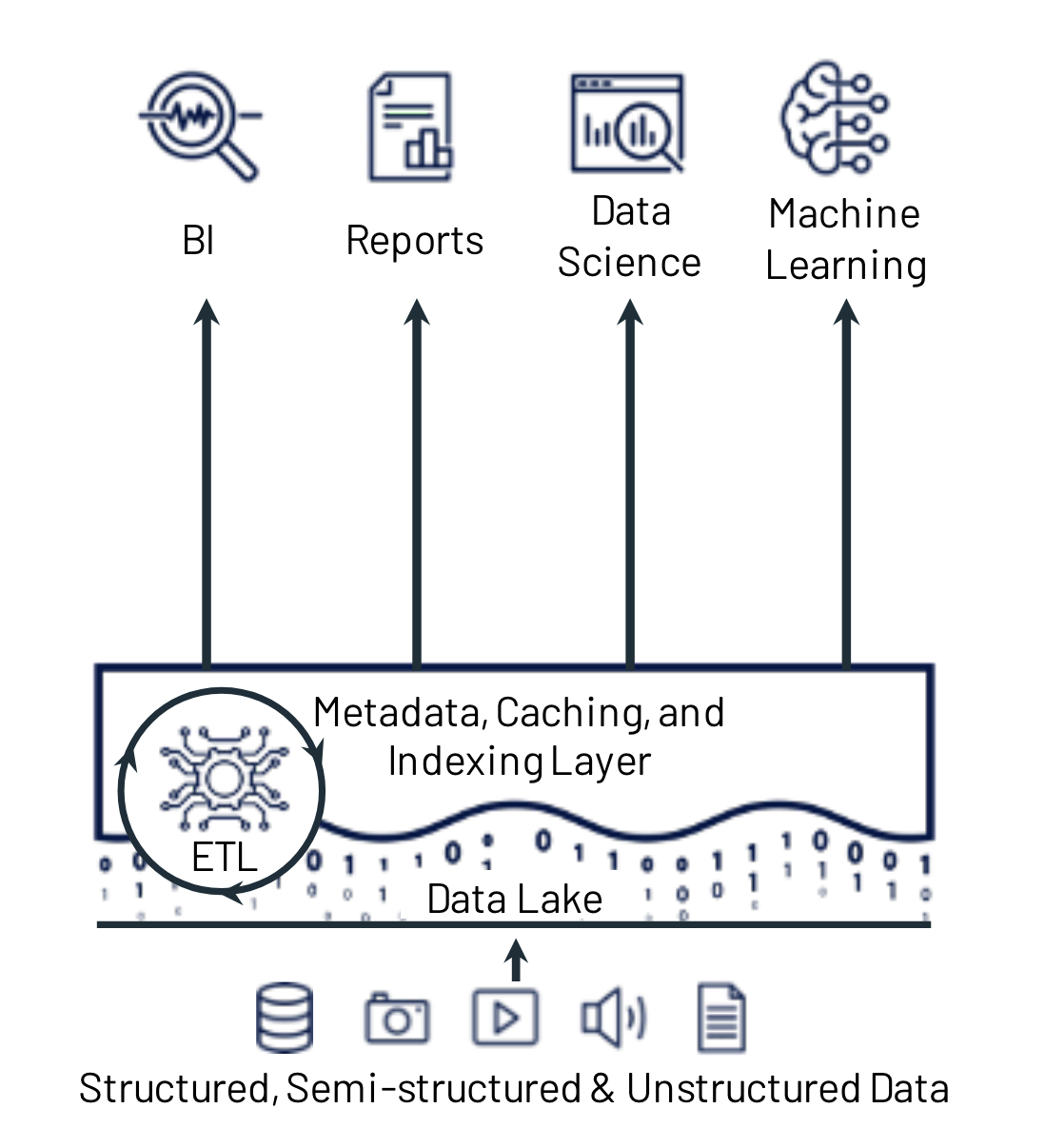
The convergence of DuckDB, open table formats, and the lakehouse model is collapsing the old boundary between OLAP engines and data warehouses, proving that if it queries like a warehouse, it is one.
Jul 18, 2026
·
10 min
 Software · Data Infrastructure
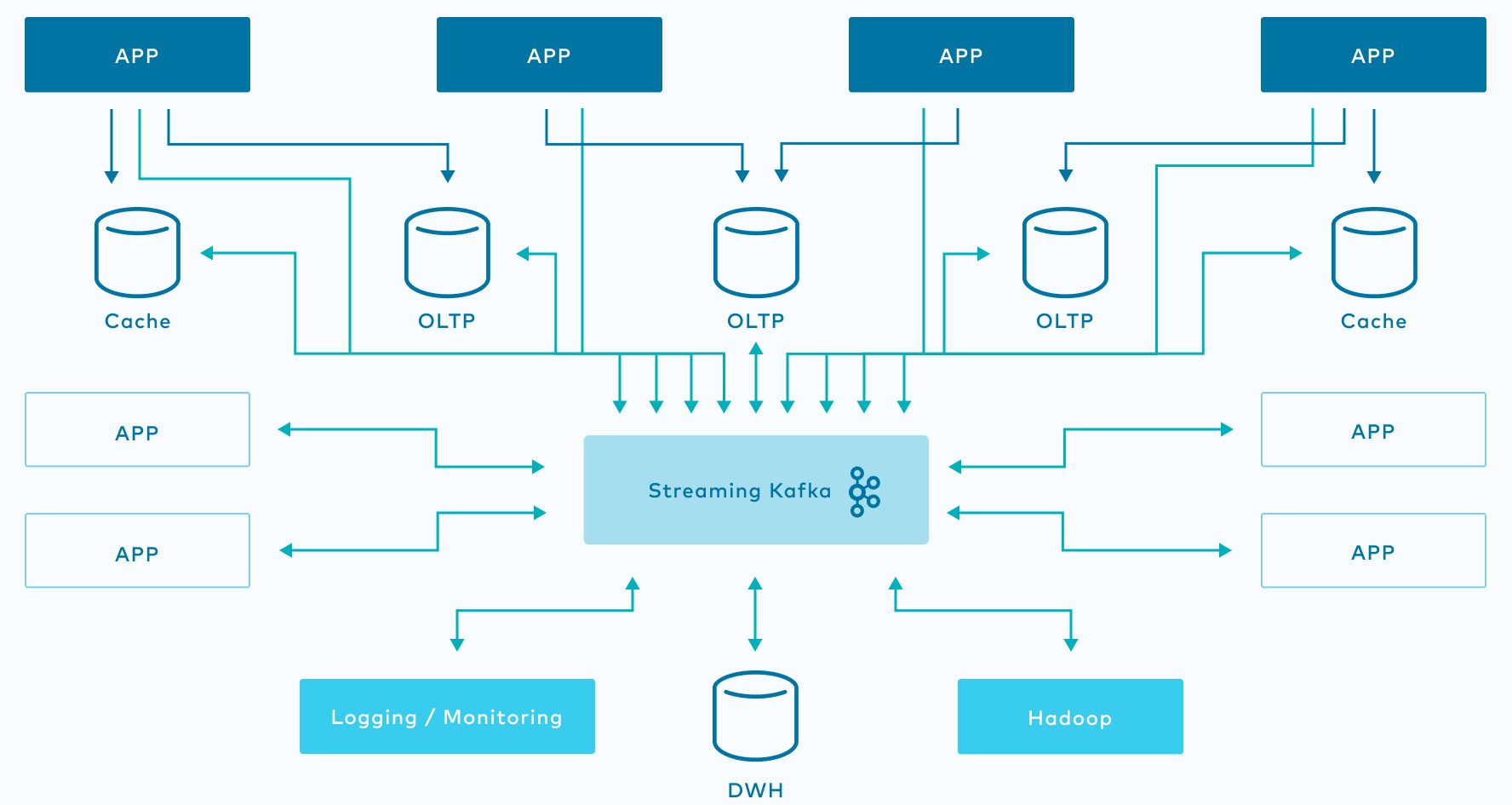
An 18-month consolidation wave, from WarpStream to IBM's blockbuster Confluent acquisition, has redefined the boundaries between Apache Kafka, its challengers, and the object stores that power modern streaming data infrastructure.
Jul 13, 2026
·
12 min
 Data Infrastructure · Deep Dive
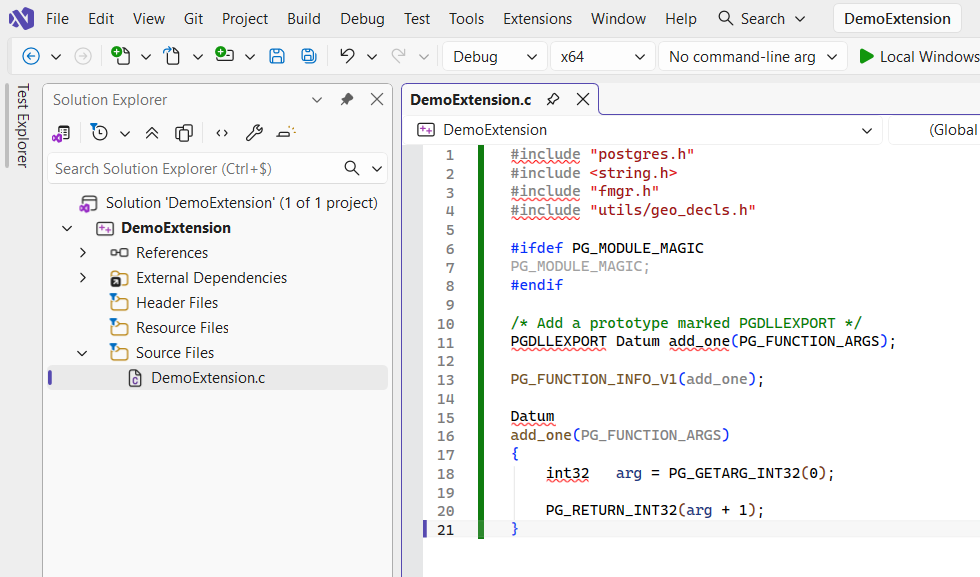
From pgvector to Citus, these extensions are not mere plugins but the leading edge of a platform shift that treats Postgres as a universal database engine, with hyperscalers and vendors racing to adapt.
Jul 3, 2026
·
9 min
 Infrastructure · Stateful Workflows
From a patched LangGraph vulnerability chain to a single-binary SQLite engine called Obelisk, the first half of 2026 has shown that an agent's memory is also its attack surface, even as infrastructure is only beginning to catch up with durable execution.
Jun 18, 2026
·
10 min
 Software · Infrastructure
Google’s open-source release of Agent Executor this week intensifies a field of stateful workflow engines that treat agent execution as infrastructure, not a prompt-engineering afterthought.
May 29, 2026
·
11 min
 Software · Data Infrastructure
Cloudflare, Google, and Mistral are shipping stateful execution engines that treat agents as first-class workloads, not containers that happen to call an LLM, and the control plane is where the real architecture fight lives.
May 24, 2026
·
10 min
 Software · Data Infrastructure
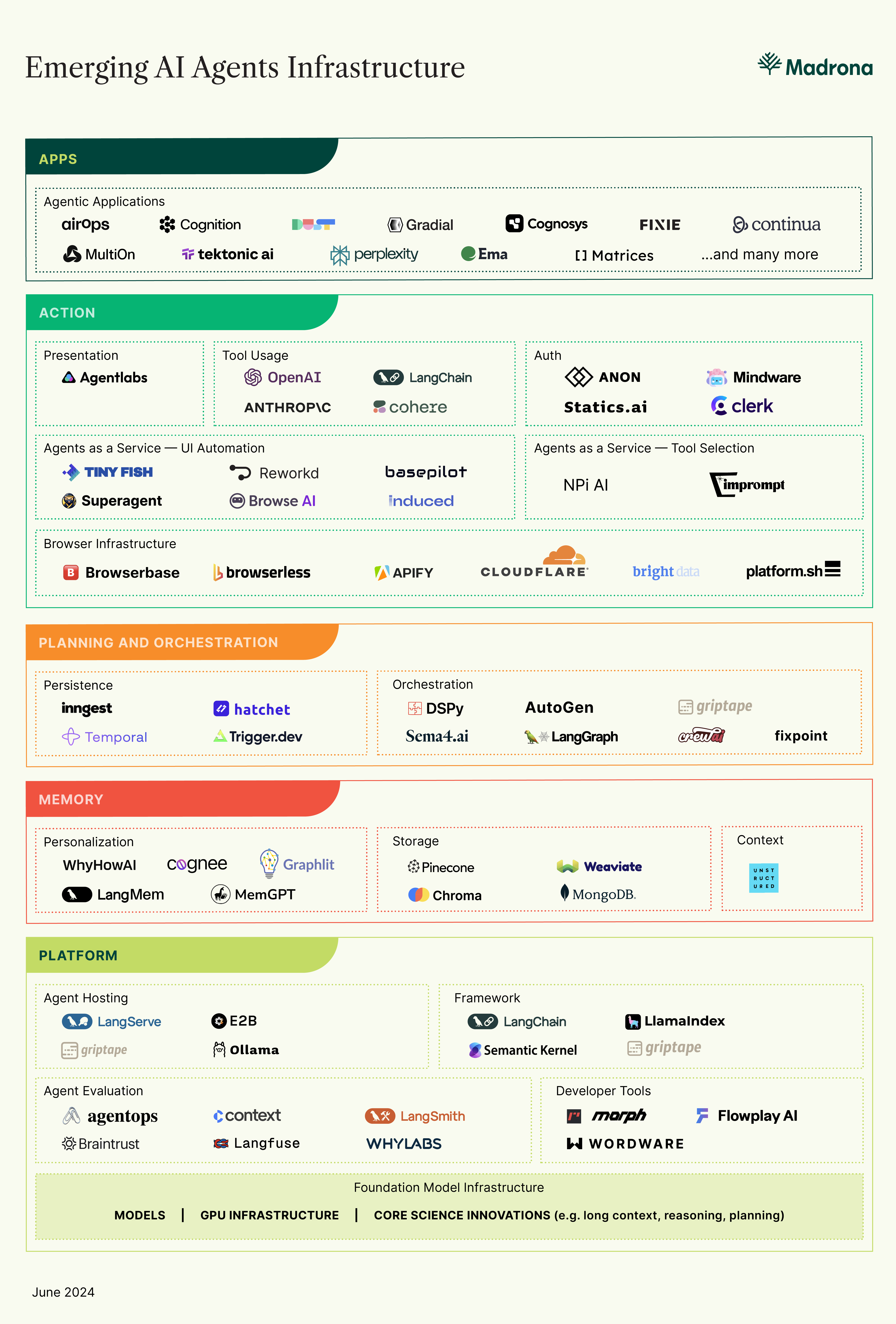
Three coding agents from major vendors leaked API keys through a single prompt injection last month, exposing the deeper question of what kind of runtime an autonomous agent actually needs.
May 19, 2026
·
11 min
Software · Data Infrastructure
As every major platform ships an agent framework, the real challenge is the stateful runtime that survives crashes, remembers state, and runs between invocations - workflow engines are the new database.
May 13, 2026
·
12 min
 Infrastructure · Agent-Native Runtimes
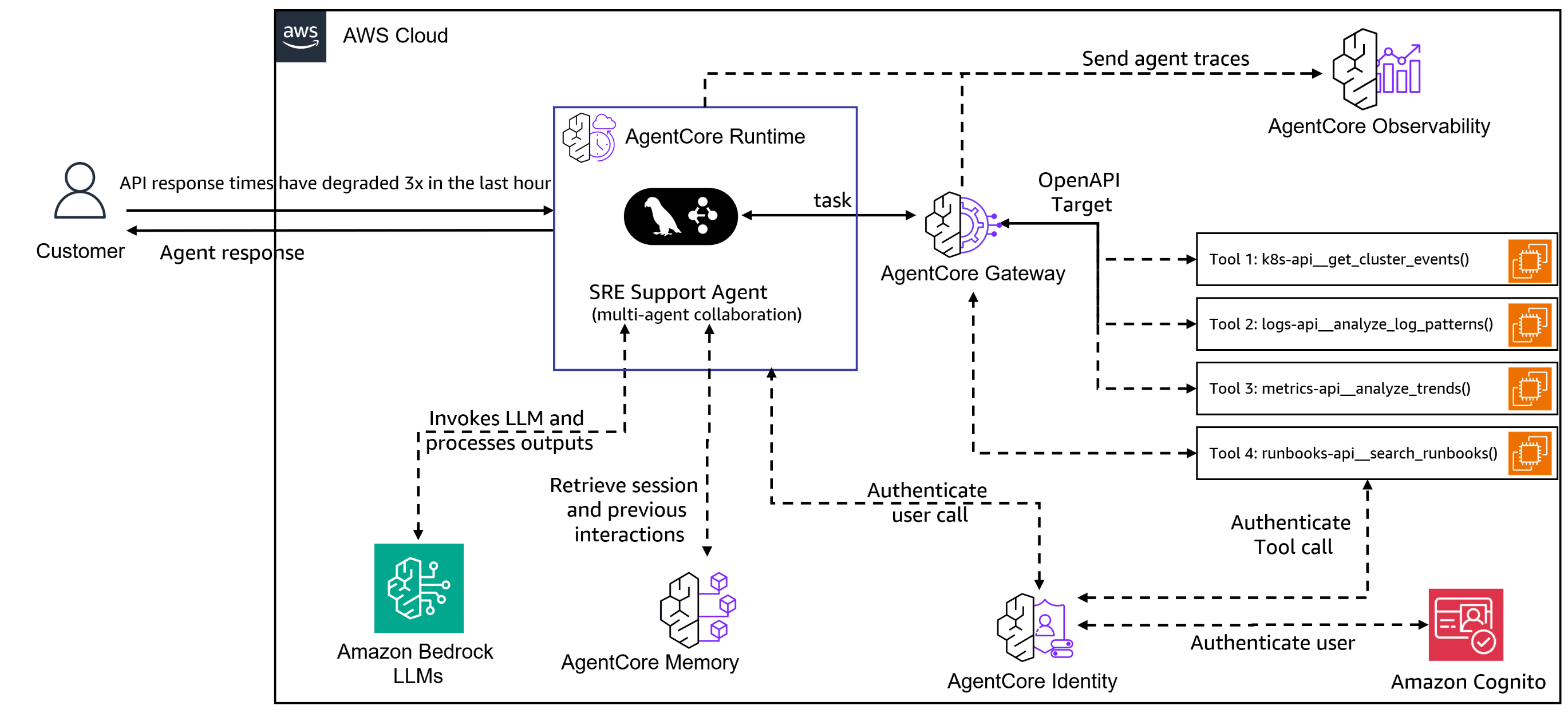
Cloud providers and startups are racing to build agent-native infrastructure that remembers, recovers, and replays, making this year's architecture decisions critical for which AI agents earn production trust.
May 13, 2026
·
10 min
 Data Infrastructure · Consolidation
Two years after dedicated vector databases soared, general-purpose systems like PostgreSQL and MongoDB now offer built-in vector search on platforms enterprises already use, even as agent-native memory architectures question the need for a database.
May 12, 2026
·
9 min
 Data Infrastructure · Consolidation
Hybrid retrieval intent tripled in Q1 2026 as enterprise RAG hit the scale wall, pushing the dedicated vector database category to be absorbed by incumbents and questioned by agent architects.
May 12, 2026
·
10 min
 Software · Data Infrastructure
As Pinecone pivots from vector store to knowledge engine, MongoDB, Oracle, and PostgreSQL absorb vector search into general-purpose databases, squeezing the standalone vector database category from both sides.
May 11, 2026
·
10 min
 Software · Data Infrastructure
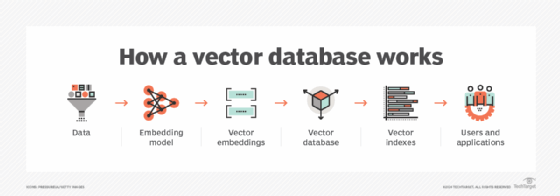
Three years after the vector database gold rush, incumbents have absorbed the technology into the platforms teams already run, and the consolidation cycle is normalizing vector search as a feature.
May 10, 2026
·
13 min
 Databases · Data Infrastructure
Postgres extensions like pgvector, pg_search, and Citus are not just features but proof that Postgres's extension API is now the most valuable piece of the database stack, spawning a new generation of database companies.
May 9, 2026
·
11 min
/filters:no_upscale()/articles/analytical-data-management-duckdb/en/resources/21figure-2-1686238750825.jpg) Data Infrastructure · Analysis
Data Infrastructure · Analysis
With lakehouse architectures converging, DuckDB's embeddable OLAP engine is proving that a data warehouse is not a product category but a behavior, reshaping how the industry thinks about metadata, storage, and compute.
May 9, 2026
·
14 min
 Data Infrastructure · Consolidation
Hybrid retrieval intent tripled in a single quarter as RAG architectures buckled under agentic workloads, and now incumbents and insurgents are racing to define what comes after the embedding index — and whether a standalone vector database still makes sense.
May 9, 2026
·
6 min
 Software · Data infra
DuckDB-WASM 1.4 (released April 22) ships with a memory architecture that survives a billion rows in a Chrome tab. The benchmarks need their assumptions read carefully.
May 6, 2026
·
2 min
 Software · Postgres
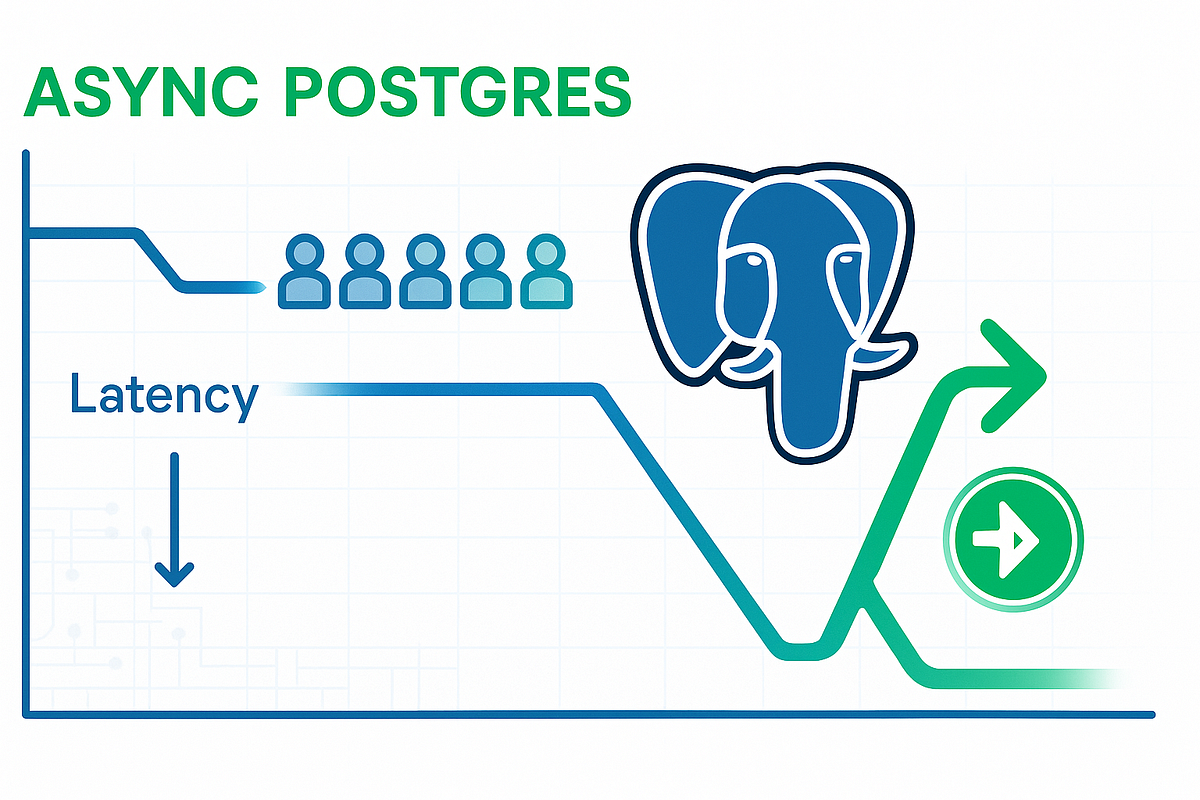
Postgres 19 (released April 25) ships the long-awaited asynchronous IO API. The pgvector and pg_search teams are the first to land integrations. One is good. The other is what the next year is for.
May 5, 2026
·
2 min
