Samsung crossed $1 trillion on a Tuesday. The HBM3e supply story explains the move.
Samsung Electronics passed $1T market cap on May 6. The earnings driver everyone is pointing at is the AI inference market. The actual driver is the HBM3e qualification cycle.
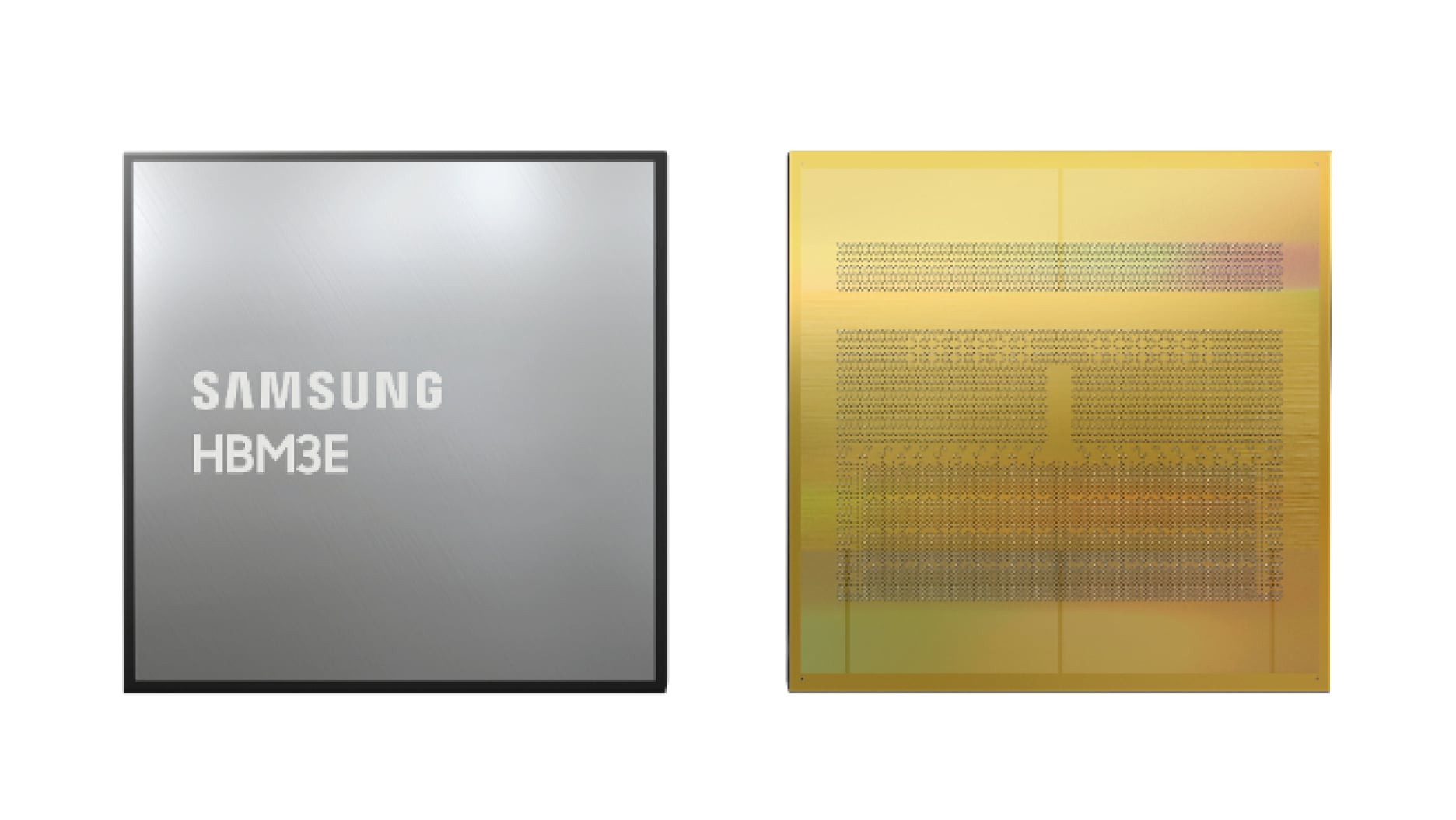 semiconductor.samsung.com
In this article
Samsung Electronics, market cap $1.001 trillion at the Korea Exchange close on Tuesday. Second Asian company to cross the threshold, after TSMC. The earnings call talking points everyone is pointing at — AI inference, foundry recovery, mobile DRAM share — are real but secondary. The actual driver is the HBM3e qualification cycle.
For three quarters, Samsung was the third HBM3e supplier behind SK hynix and Micron. Nvidia's qualification process for the Blackwell-Ultra MI generation included Samsung's 12-high stack but at a lower per-stack capacity allocation than the other two. That changed in early Q1.
The qualification timeline
On the January earnings call, Samsung disclosed it had passed Nvidia's qualification for the 12-high HBM3e at the production yield Nvidia required. The company did not say the qualification was for Blackwell-Ultra; it did not need to. By March, Samsung's allocation as a percent of Nvidia's 2026 HBM3e bill of materials had moved from 18% to 31%. SK hynix's share fell from 52% to 44%; Micron's fell from 30% to 25%.
What that re-allocation does to Samsung's margin profile is the part the equity desks are pricing now. HBM3e at Nvidia tier-one pricing carries gross margin in the range of 56-62% — about double the company's overall semiconductor segment margin in 2024. The mix shift, even at constant volume, is the trillion-dollar move.
What to watch for
Two milestones in the next 90 days. First, Q2 capacity guidance from Samsung Memory in late July; the analyst question that matters is whether HBM4 qualification with Nvidia is on track for Q4. Second, the SK hynix earnings call on July 24, where the share-loss math will be in the room whether or not it is in the script.
Read next